SOLDES
Jusqu'à -70% sur une sélection d'articles*

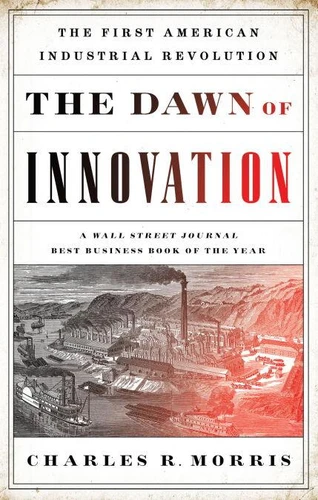
The Dawn of Innovation. The First American Industrial Revolution
Par :Formats :
Disponible dans votre compte client Decitre ou Furet du Nord dès validation de votre commande. Le format ePub protégé est :
- Compatible avec une lecture sur My Vivlio (smartphone, tablette, ordinateur)
- Compatible avec une lecture sur liseuses Vivlio
- Pour les liseuses autres que Vivlio, vous devez utiliser le logiciel Adobe Digital Edition. Non compatible avec la lecture sur les liseuses Kindle, Remarkable et Sony
- Non compatible avec un achat hors France métropolitaine
 , qui est-ce ?
Notre partenaire de plateforme de lecture numérique où vous retrouverez l'ensemble de vos ebooks gratuitement
Pour en savoir plus sur nos ebooks, consultez notre aide en ligne ici
C'est si simple ! Lisez votre ebook avec l'app Vivlio sur votre tablette, mobile ou ordinateur :

- Nombre de pages384
- FormatePub
- ISBN978-1-61039-049-1
- EAN9781610390491
- Date de parution22/10/2012
- Protection num.Adobe DRM
- Infos supplémentairesepub
- ÉditeurPublicAffairs
Résumé
In the thirty years after the Civil War, the United States blew by Great Britain to become the greatest economic power in world history. That is a well-known period in history, when titans like Andrew Carnegie, John D. Rockefeller, and J. P. Morgan walked the earth. But as Charles R. Morris shows us, the platform for that spectacular growth spurt was built in the first half of the century. By the 1820s, America was already the world's most productive manufacturer, and the most intensely commercialized society in history.
The War of 1812 jumpstarted the great New England cotton mills, the iron centers in Connecticut and Pennsylvania, and the forges around the Great Lakes. In the decade after the War, the Midwest was opened by entrepreneurs. In this beautifully illustrated book, Morris paints a vivid panorama of a new nation buzzing with the work of creation. He also points out the parallels and differences in the nineteenth century American/British standoff and that between China and America today.
The War of 1812 jumpstarted the great New England cotton mills, the iron centers in Connecticut and Pennsylvania, and the forges around the Great Lakes. In the decade after the War, the Midwest was opened by entrepreneurs. In this beautifully illustrated book, Morris paints a vivid panorama of a new nation buzzing with the work of creation. He also points out the parallels and differences in the nineteenth century American/British standoff and that between China and America today.