SOLDES
Jusqu'à -70% sur une sélection d'articles*

Nouveauté
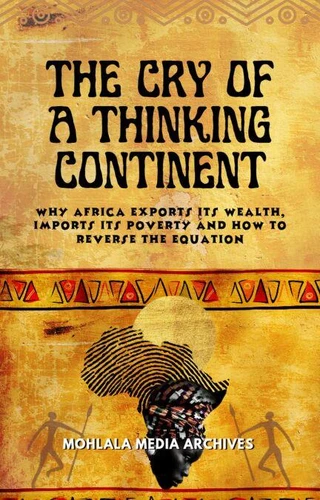
The Cry of a Thinking Continent: Why Africa Exports Its Wealth, Imports Its Poverty, and How to Reverse the Equation
Par :Formats :
Disponible dans votre compte client Decitre ou Furet du Nord dès validation de votre commande. Le format ePub est :
- Compatible avec une lecture sur My Vivlio (smartphone, tablette, ordinateur)
- Compatible avec une lecture sur liseuses Vivlio
- Pour les liseuses autres que Vivlio, vous devez utiliser le logiciel Adobe Digital Edition. Non compatible avec la lecture sur les liseuses Kindle, Remarkable et Sony
 , qui est-ce ?
Notre partenaire de plateforme de lecture numérique où vous retrouverez l'ensemble de vos ebooks gratuitement
Pour en savoir plus sur nos ebooks, consultez notre aide en ligne ici
C'est si simple ! Lisez votre ebook avec l'app Vivlio sur votre tablette, mobile ou ordinateur :

- FormatePub
- ISBN8235222991
- EAN9798235222991
- Date de parution04/06/2026
- Protection num.pas de protection
- Infos supplémentairesepub
- ÉditeurIoakim Ioakim
Résumé
Africa is not poor in resources. It is poor in what it retains. Every day, ships depart African ports loaded with cobalt, cocoa, crude oil, lithium, copper, and gold. They return carrying smartphones, chocolate, refined fuel, machinery, and medicine - products made from Africa's own raw materials, at prices African nations cannot control. This is not misfortune. It is architecture. The Cry of a Thinking Continent is a landmark work of economic diagnosis and strategic vision by K.
S. Mohlala, Editorial Director and Publisher of Mohlala Media Archives. It dissects one of the defining paradoxes of our era: how a continent that supplies the raw ingredients of global prosperity can remain structurally locked out of its rewards. This book will show you: - Why Africa participates in global trade but exits the value chain at its lowest-margin stage - How colonial infrastructure designed for extraction was never dismantled - only modernized - The mathematics of commodity pricing, value ladders, and where profit actually accumulates - How debt, trade agreements, and aid architecture have quietly extended structural dependency - Why African youth unemployment, migration, and political instability are symptoms of economic design - not culture or fate - A 10-chapter blueprint for industrialization, regional integration, financial sovereignty, and generational leadershipDrawing on economic history, global value chain analysis, trade data, and original argument, Mohlala moves with precision from diagnosis to declaration - from the mathematics of extraction to the architecture of transformation.
This is not a book of complaint. It is a book of clarity. It does not argue against global trade. It demands equitable positioning within it. It does not romanticize Africa's past. It architects its future. For readers of How Europe Underdeveloped Africa (Walter Rodney), Dead Aid (Dambisa Moyo), Why Nations Fail (Acemoglu Robinson), and The Looting Machine (Tom Burgis) - this is the next essential text.
The ships will continue to sail. The question is what Africa will have built in their absence.
S. Mohlala, Editorial Director and Publisher of Mohlala Media Archives. It dissects one of the defining paradoxes of our era: how a continent that supplies the raw ingredients of global prosperity can remain structurally locked out of its rewards. This book will show you: - Why Africa participates in global trade but exits the value chain at its lowest-margin stage - How colonial infrastructure designed for extraction was never dismantled - only modernized - The mathematics of commodity pricing, value ladders, and where profit actually accumulates - How debt, trade agreements, and aid architecture have quietly extended structural dependency - Why African youth unemployment, migration, and political instability are symptoms of economic design - not culture or fate - A 10-chapter blueprint for industrialization, regional integration, financial sovereignty, and generational leadershipDrawing on economic history, global value chain analysis, trade data, and original argument, Mohlala moves with precision from diagnosis to declaration - from the mathematics of extraction to the architecture of transformation.
This is not a book of complaint. It is a book of clarity. It does not argue against global trade. It demands equitable positioning within it. It does not romanticize Africa's past. It architects its future. For readers of How Europe Underdeveloped Africa (Walter Rodney), Dead Aid (Dambisa Moyo), Why Nations Fail (Acemoglu Robinson), and The Looting Machine (Tom Burgis) - this is the next essential text.
The ships will continue to sail. The question is what Africa will have built in their absence.