SOLDES
Jusqu'à -70% sur une sélection d'articles*

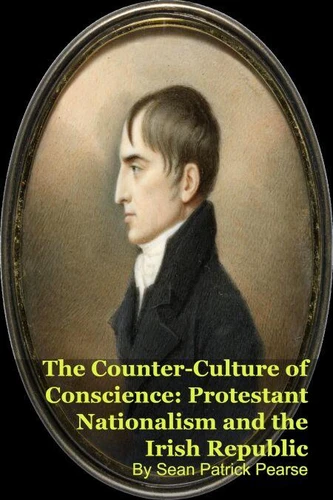
The Counter-Culture of Conscience: Protestant Nationalism and the Irish Republic
Par :Formats :
Disponible dans votre compte client Decitre ou Furet du Nord dès validation de votre commande. Le format ePub est :
- Compatible avec une lecture sur My Vivlio (smartphone, tablette, ordinateur)
- Compatible avec une lecture sur liseuses Vivlio
- Pour les liseuses autres que Vivlio, vous devez utiliser le logiciel Adobe Digital Edition. Non compatible avec la lecture sur les liseuses Kindle, Remarkable et Sony
 , qui est-ce ?
Notre partenaire de plateforme de lecture numérique où vous retrouverez l'ensemble de vos ebooks gratuitement
Pour en savoir plus sur nos ebooks, consultez notre aide en ligne ici
C'est si simple ! Lisez votre ebook avec l'app Vivlio sur votre tablette, mobile ou ordinateur :

- FormatePub
- ISBN8235670488
- EAN9798235670488
- Date de parution21/04/2026
- Protection num.pas de protection
- Infos supplémentairesepub
- ÉditeurIoakim Ioakim
Résumé
The Counter-Culture of Conscience: Protestant Nationalism and the Irish RepublicFor three centuries, a remarkable and often overlooked tradition ran through the heart of Irish political life, the tradition of the Protestant who chose Ireland over community, principle over privilege, and the common good over confessional loyalty. From William Molyneux's foundational legal argument for Irish sovereignty in 1698 to the civil rights marchers of 1960s Belfast, men and women of Protestant background consistently argued, at great personal cost, for an inclusive, non-sectarian Irish republic in which Catholic and Protestant would stand as equal citizens.
This book traces that tradition in full, from the constitutional patriotism of Swift and Grattan through the revolutionary republicanism of Wolfe Tone and Lord Edward FitzGerald, through the cultural nationalism of Thomas Davis and Douglas Hyde, through the parliamentary genius of Parnell and the anti-imperial courage of Casement, to the Senate battles of the Free State era and the long, difficult survival of the ideal through partition and the Troubles.
It asks why the United Irish vision of a republic built on the common name of Irishmen was never fully realised, what structural forces prevented it, and what the courage and failure of those who pursued it across three centuries can teach us about the unfinished business of Irish political life today.
This book traces that tradition in full, from the constitutional patriotism of Swift and Grattan through the revolutionary republicanism of Wolfe Tone and Lord Edward FitzGerald, through the cultural nationalism of Thomas Davis and Douglas Hyde, through the parliamentary genius of Parnell and the anti-imperial courage of Casement, to the Senate battles of the Free State era and the long, difficult survival of the ideal through partition and the Troubles.
It asks why the United Irish vision of a republic built on the common name of Irishmen was never fully realised, what structural forces prevented it, and what the courage and failure of those who pursued it across three centuries can teach us about the unfinished business of Irish political life today.