SOLDES
Jusqu'à -70% sur une sélection d'articles*

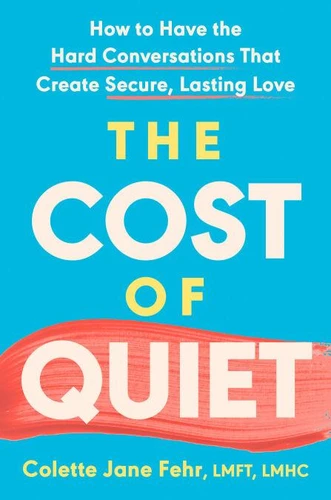
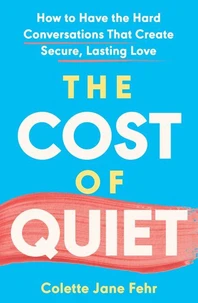
The Cost of Quiet. How to Have the Hard Conversations That Create Secure, Lasting Love
Par :Formats :
Disponible dans votre compte client Decitre ou Furet du Nord dès validation de votre commande. Le format ePub protégé est :
- Compatible avec une lecture sur My Vivlio (smartphone, tablette, ordinateur)
- Compatible avec une lecture sur liseuses Vivlio
- Pour les liseuses autres que Vivlio, vous devez utiliser le logiciel Adobe Digital Edition. Non compatible avec la lecture sur les liseuses Kindle, Remarkable et Sony
- Non compatible avec un achat hors France métropolitaine
 , qui est-ce ?
Notre partenaire de plateforme de lecture numérique où vous retrouverez l'ensemble de vos ebooks gratuitement
Pour en savoir plus sur nos ebooks, consultez notre aide en ligne ici
C'est si simple ! Lisez votre ebook avec l'app Vivlio sur votre tablette, mobile ou ordinateur :

- Nombre de pages272
- FormatePub
- ISBN978-0-593-85275-0
- EAN9780593852750
- Date de parution03/02/2026
- Protection num.Adobe DRM
- Taille2 Mo
- Infos supplémentairesepub
- ÉditeurG.P. Putnam's Sons
Résumé
An empowering, healing guide that reveals the true cost of avoidant behavior in a relationship-disconnection, disengagement, and divorce-and shows how we can instead learn to speak up and start connecting with the ones we love most."I wish I had spoken up sooner."People think relationships fail because of deal breakers like infidelity, finances, or parenting problems. But the real culprit is often much less dramatic: emotional disconnection after years of staying silent and avoiding conflict.
We're afraid to say what we need because we worry about what will come next. Avoidant behavior-the need to "keep the peace" rather than dealing with conflict head on-isn't our fault. Our ingrained attachment wiring urges us to sidestep day-to-day disputes and brush lingering problems under the rug. But silence is a losing proposition in the long term, leading us to self-abandon and essentially "quiet quit" our relationships.
We can make another choice. In The Cost of Quiet, licensed marriage and family therapist Colette Jane Fehr shines a light on the epidemic of avoidant behavior and how to overcome it. Drawing from the latest attachment science and evidence-based therapies she's used to repair the bond between hundreds of couples, Fehr gives us the tools to approach those we love with openness, honesty, and vulnerability.
The ultimate goal: a securely attached relationship that engages with conflict productively, and the confidence that comes from speaking up and being heard-because a good relationship is worth fighting for.
We're afraid to say what we need because we worry about what will come next. Avoidant behavior-the need to "keep the peace" rather than dealing with conflict head on-isn't our fault. Our ingrained attachment wiring urges us to sidestep day-to-day disputes and brush lingering problems under the rug. But silence is a losing proposition in the long term, leading us to self-abandon and essentially "quiet quit" our relationships.
We can make another choice. In The Cost of Quiet, licensed marriage and family therapist Colette Jane Fehr shines a light on the epidemic of avoidant behavior and how to overcome it. Drawing from the latest attachment science and evidence-based therapies she's used to repair the bond between hundreds of couples, Fehr gives us the tools to approach those we love with openness, honesty, and vulnerability.
The ultimate goal: a securely attached relationship that engages with conflict productively, and the confidence that comes from speaking up and being heard-because a good relationship is worth fighting for.