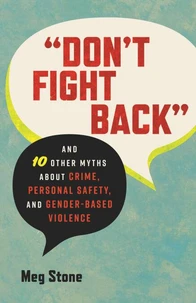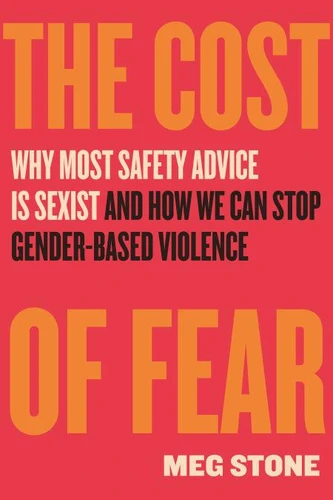
The Cost of Fear. Why Most Safety Advice Is Sexist and How We Can Stop Gender-Based Violence
Par :Formats :
Disponible dans votre compte client Decitre ou Furet du Nord dès validation de votre commande. Le format ePub protégé est :
- Compatible avec une lecture sur My Vivlio (smartphone, tablette, ordinateur)
- Compatible avec une lecture sur liseuses Vivlio
- Pour les liseuses autres que Vivlio, vous devez utiliser le logiciel Adobe Digital Edition. Non compatible avec la lecture sur les liseuses Kindle, Remarkable et Sony
- Non compatible avec un achat hors France métropolitaine
 , qui est-ce ?
Notre partenaire de plateforme de lecture numérique où vous retrouverez l'ensemble de vos ebooks gratuitement
Pour en savoir plus sur nos ebooks, consultez notre aide en ligne ici
C'est si simple ! Lisez votre ebook avec l'app Vivlio sur votre tablette, mobile ou ordinateur :

- Nombre de pages224
- FormatePub
- ISBN978-0-8070-1623-7
- EAN9780807016237
- Date de parution25/02/2025
- Protection num.Adobe DRM
- Taille592 Ko
- Infos supplémentairesepub
- ÉditeurBeacon Press
Résumé
A violence prevention expert helps targets of gender-based violence discern fact from fiction around what keeps us safe and support social changePersonal safety shouldn't mean living in fear, nor should it come at the expense of political progress. Questionable advice to avoid violence, like "don't go shopping alone, " comes mostly from the police or other men in authority. But gender-based violence is often enacted in the most intimate spheres of our lives, not when we're out grocery shopping.
To stop this violence, we need strategies that are just as intimate. In The Cost of Fear, nationally recognized violence prevention expert Meg Stone helps readers separate fact from fiction. It's full of practical, research-based strategies that readers can use to keep themselves and their communities safer. Increased safety comes from developing the skills to resist coercive control, especially from people we know or people in authority, not from complying with rigid rules or avoiding homeless people on the street.
This deeply researched book draws timely connections between personal safety and political change-from Latina organizers in California working to stop sexual violence against night shift janitorial workers to teenage girls who call out double standards. Work to change laws and change people's minds is essential, but without practical strategies, the change is incomplete. The Cost of Fear will show us how we can make safety choices that expand our worlds and contribute to the fight for social justice.
To stop this violence, we need strategies that are just as intimate. In The Cost of Fear, nationally recognized violence prevention expert Meg Stone helps readers separate fact from fiction. It's full of practical, research-based strategies that readers can use to keep themselves and their communities safer. Increased safety comes from developing the skills to resist coercive control, especially from people we know or people in authority, not from complying with rigid rules or avoiding homeless people on the street.
This deeply researched book draws timely connections between personal safety and political change-from Latina organizers in California working to stop sexual violence against night shift janitorial workers to teenage girls who call out double standards. Work to change laws and change people's minds is essential, but without practical strategies, the change is incomplete. The Cost of Fear will show us how we can make safety choices that expand our worlds and contribute to the fight for social justice.