SOLDES
Jusqu'à -70% sur une sélection d'articles*

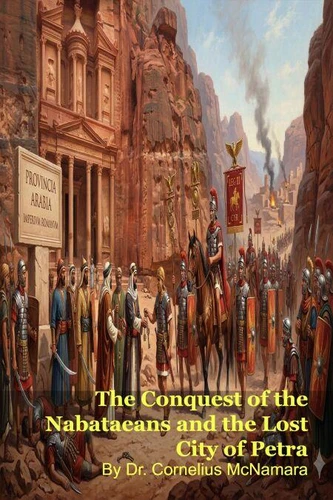
The Conquest of the Nabataeans and the Lost City of Petra
Par :Formats :
Disponible dans votre compte client Decitre ou Furet du Nord dès validation de votre commande. Le format ePub est :
- Compatible avec une lecture sur My Vivlio (smartphone, tablette, ordinateur)
- Compatible avec une lecture sur liseuses Vivlio
- Pour les liseuses autres que Vivlio, vous devez utiliser le logiciel Adobe Digital Edition. Non compatible avec la lecture sur les liseuses Kindle, Remarkable et Sony
 , qui est-ce ?
Notre partenaire de plateforme de lecture numérique où vous retrouverez l'ensemble de vos ebooks gratuitement
Pour en savoir plus sur nos ebooks, consultez notre aide en ligne ici
C'est si simple ! Lisez votre ebook avec l'app Vivlio sur votre tablette, mobile ou ordinateur :

- FormatePub
- ISBN8232348922
- EAN9798232348922
- Date de parution20/03/2026
- Protection num.pas de protection
- Infos supplémentairesepub
- ÉditeurDraft2Digital
Résumé
The Conquest of the Nabataeans and the Lost City of PetraFor five centuries, the Nabataean Kingdom stood at the crossroads of the ancient world, controlling the flow of frankincense, myrrh, and spice from the highlands of Arabia Felix to the altars and markets of Rome, Egypt, and the Mediterranean world. From their rose-red capital at Petra, a city carved from living sandstone in the heart of one of the earth's most unforgiving deserts, the Nabataeans built a commercial empire of extraordinary sophistication, sustained not by military conquest but by hydraulic ingenuity, geographic intelligence, and diplomatic mastery.
They gave the world the ancestor of the Arabic alphabet, engineered water systems that modern agronomists study as models for sustainable desert agriculture, and negotiated their independence against the greatest empire the Western world had ever produced with a skill that kept the legions at bay for a century and a half. When Rome finally came for them in 106 CE, the official record declared it a peaceful handover.
The ballista stones in the ruins of their greatest temple tell a different story. Drawing on the latest archaeology, epigraphy, and satellite remote sensing, The Desert Kingdom recovers the full, contested, astonishing history of the Nabataeans, the people history forgot and the desert refused to erase.
They gave the world the ancestor of the Arabic alphabet, engineered water systems that modern agronomists study as models for sustainable desert agriculture, and negotiated their independence against the greatest empire the Western world had ever produced with a skill that kept the legions at bay for a century and a half. When Rome finally came for them in 106 CE, the official record declared it a peaceful handover.
The ballista stones in the ruins of their greatest temple tell a different story. Drawing on the latest archaeology, epigraphy, and satellite remote sensing, The Desert Kingdom recovers the full, contested, astonishing history of the Nabataeans, the people history forgot and the desert refused to erase.