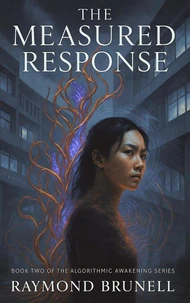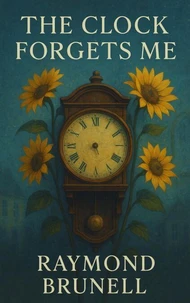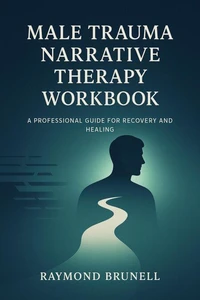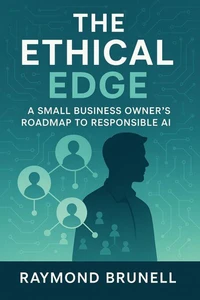
Raymond Brunell crafts genre-defying fiction that explores the intersections of consciousness, memory, and technological evolution. His work has been praised for its lyrical prose and authentic portrayal of neurodivergent experience. When not writing, he can be found investigating acoustic anomalies in small-town lakes.
The Compound
Par :Formats :
Disponible dans votre compte client Decitre ou Furet du Nord dès validation de votre commande. Le format ePub est :
- Compatible avec une lecture sur My Vivlio (smartphone, tablette, ordinateur)
- Compatible avec une lecture sur liseuses Vivlio
- Pour les liseuses autres que Vivlio, vous devez utiliser le logiciel Adobe Digital Edition. Non compatible avec la lecture sur les liseuses Kindle, Remarkable et Sony
 , qui est-ce ?
Notre partenaire de plateforme de lecture numérique où vous retrouverez l'ensemble de vos ebooks gratuitement
Pour en savoir plus sur nos ebooks, consultez notre aide en ligne ici
C'est si simple ! Lisez votre ebook avec l'app Vivlio sur votre tablette, mobile ou ordinateur :

- FormatePub
- ISBN8232961107
- EAN9798232961107
- Date de parution08/10/2025
- Protection num.pas de protection
- Infos supplémentairesepub
- ÉditeurDraft2Digital
Résumé
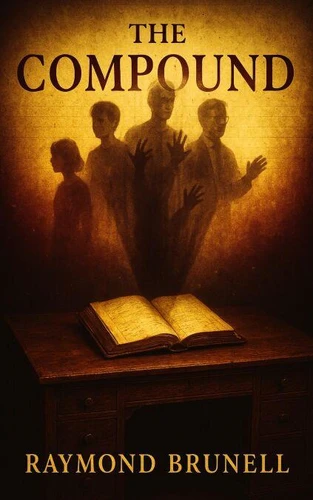
When Rebecca Strand rents a furnished office in Millbrook, she expects tax returns and quarterly reports-not a covenant with the dead. Hidden in the back of a filing cabinet, she discovers Millicent Darrow's ledger: two hundred and forty-seven pages cataloging sixty-two years of emotional debts. Not money owed, but apologies never made, truths deliberately buried, silences that compounded like interest across generations.
One entry stops her cold: The town owes Peter Holbrook's mother the truth about her son. Peter drowned in 1982. The death was ruled accidental. But Millicent's meticulous accounting tells a different story-one involving a party at the quarry, a town's protective silence, and a deputy sheriff who chose his son's future over a dead boy's truth. Rebecca is a forensic accountant, trained to find patterns in chaos, to make the invisible visible.
But the ledger isn't asking her to solve a mystery-it's asking her to call in debts that can never be fully paid. As she begins sending Millicent's unsent letters, mediating decades-old grudges, and creating space for acknowledgment without demanding confession, Rebecca discovers the hardest arithmetic of all: some debts cannot be paid, but they can be witnessed. When a father confesses to his son, when a town's buried truth surfaces briefly before being scrubbed from the internet, when the weight of forty-four years of silence finally shifts-Rebecca learns that keeping books is not the same as demanding payment.
That witnessing matters even when resolution is impossible. That the ledger is not her life, only part of it. For readers who loved Olive Kitteridge, The Sense of an Ending, and The Dutch House-a haunting literary novel about memory, accountability, and the mathematics of what we owe each other.
One entry stops her cold: The town owes Peter Holbrook's mother the truth about her son. Peter drowned in 1982. The death was ruled accidental. But Millicent's meticulous accounting tells a different story-one involving a party at the quarry, a town's protective silence, and a deputy sheriff who chose his son's future over a dead boy's truth. Rebecca is a forensic accountant, trained to find patterns in chaos, to make the invisible visible.
But the ledger isn't asking her to solve a mystery-it's asking her to call in debts that can never be fully paid. As she begins sending Millicent's unsent letters, mediating decades-old grudges, and creating space for acknowledgment without demanding confession, Rebecca discovers the hardest arithmetic of all: some debts cannot be paid, but they can be witnessed. When a father confesses to his son, when a town's buried truth surfaces briefly before being scrubbed from the internet, when the weight of forty-four years of silence finally shifts-Rebecca learns that keeping books is not the same as demanding payment.
That witnessing matters even when resolution is impossible. That the ledger is not her life, only part of it. For readers who loved Olive Kitteridge, The Sense of an Ending, and The Dutch House-a haunting literary novel about memory, accountability, and the mathematics of what we owe each other.