SOLDES
Jusqu'à -70% sur une sélection d'articles*

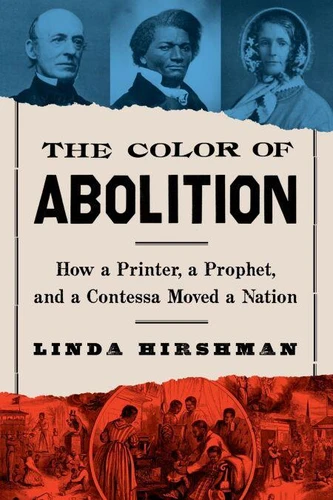
The Color Of Abolition. How a Printer, a Prophet, and a Contessa Moved a Nation
Par :Formats :
Disponible dans votre compte client Decitre ou Furet du Nord dès validation de votre commande. Le format ePub protégé est :
- Compatible avec une lecture sur My Vivlio (smartphone, tablette, ordinateur)
- Compatible avec une lecture sur liseuses Vivlio
- Pour les liseuses autres que Vivlio, vous devez utiliser le logiciel Adobe Digital Edition. Non compatible avec la lecture sur les liseuses Kindle, Remarkable et Sony
- Non compatible avec un achat hors France métropolitaine
 , qui est-ce ?
Notre partenaire de plateforme de lecture numérique où vous retrouverez l'ensemble de vos ebooks gratuitement
Pour en savoir plus sur nos ebooks, consultez notre aide en ligne ici
C'est si simple ! Lisez votre ebook avec l'app Vivlio sur votre tablette, mobile ou ordinateur :

- Nombre de pages352
- FormatePub
- ISBN978-1-328-90035-7
- EAN9781328900357
- Date de parution08/02/2022
- Protection num.Adobe DRM
- Infos supplémentairesepub
- ÉditeurMariner Books
Résumé
The story of the fascinating, fraught alliance among Frederick Douglass, William Lloyd Garrison, and Maria Weston Chapman-and how its breakup led to the success of America's most important social movement."Fresh, provocative and engrossing." -New York TimesIn the crucial early years of the Abolition movement, the Boston branch of the cause seized upon the star power of the eloquent ex-slave Frederick Douglass to make its case for slaves' freedom.
Journalist William Lloyd Garrison promoted emancipation while Garrison loyalist Maria Weston Chapman, known as "the Contessa, " raised money and managed Douglass's speaking tour from her Boston townhouse. Conventional histories have seen Douglass's departure for the New York wing of the Abolition party as a result of a rift between Douglass and Garrison. But, as acclaimed historian Linda Hirshman reveals, this completely misses the woman in power.
Weston Chapman wrote cutting letters to Douglass, doubting his loyalty; the Bostonian abolitionists were shot through with racist prejudice, even aiming the N-word at Douglass among themselves. Through incisive, original analysis, Hirshman convinces that the inevitable breakup was in fact a successful failure. Eventually, as the most sought-after Black activist in America, Douglass was able to dangle the prize of his endorsement over the Republican Party's candidate for president, Abraham Lincoln.
Two years later the abolition of slavery-if not the abolition of racism-became immutable law.
Journalist William Lloyd Garrison promoted emancipation while Garrison loyalist Maria Weston Chapman, known as "the Contessa, " raised money and managed Douglass's speaking tour from her Boston townhouse. Conventional histories have seen Douglass's departure for the New York wing of the Abolition party as a result of a rift between Douglass and Garrison. But, as acclaimed historian Linda Hirshman reveals, this completely misses the woman in power.
Weston Chapman wrote cutting letters to Douglass, doubting his loyalty; the Bostonian abolitionists were shot through with racist prejudice, even aiming the N-word at Douglass among themselves. Through incisive, original analysis, Hirshman convinces that the inevitable breakup was in fact a successful failure. Eventually, as the most sought-after Black activist in America, Douglass was able to dangle the prize of his endorsement over the Republican Party's candidate for president, Abraham Lincoln.
Two years later the abolition of slavery-if not the abolition of racism-became immutable law.