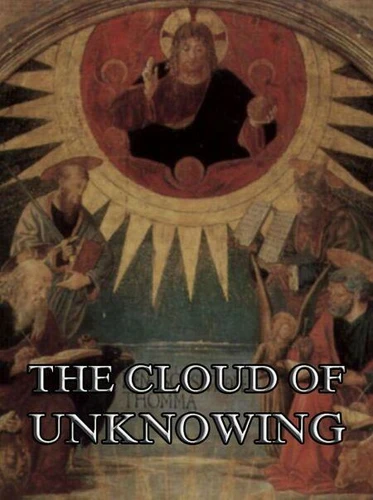
The Cloud Of Unknowing
Par :Formats :
Disponible dans votre compte client Decitre ou Furet du Nord dès validation de votre commande. Le format ePub est :
- Compatible avec une lecture sur My Vivlio (smartphone, tablette, ordinateur)
- Compatible avec une lecture sur liseuses Vivlio
- Pour les liseuses autres que Vivlio, vous devez utiliser le logiciel Adobe Digital Edition. Non compatible avec la lecture sur les liseuses Kindle, Remarkable et Sony
 , qui est-ce ?
Notre partenaire de plateforme de lecture numérique où vous retrouverez l'ensemble de vos ebooks gratuitement
Pour en savoir plus sur nos ebooks, consultez notre aide en ligne ici
C'est si simple ! Lisez votre ebook avec l'app Vivlio sur votre tablette, mobile ou ordinateur :

- Nombre de pages80
- FormatePub
- ISBN978-3-8496-2086-8
- EAN9783849620868
- Date de parution21/07/2012
- Protection num.Digital Watermarking
- Taille292 Ko
- Infos supplémentairesepub
- ÉditeurJAZZYBEE VERLAG
Résumé
The Cloud of Unknowing (Middle English: The Cloude of Unknowyng) is an anonymous work of Christian mysticism written in Middle English in the latter half of the 14th century. The text is a spiritual guide on contemplative prayer in the late Middle Ages. The Cloud of Unknowing draws on the mystical tradition of Pseudo-Dionysius the Areopagite and Christian Neoplatonism, which focuses on the via negativa road to discovering God as a pure entity, beyond any capacity of mental conception and so without any definitive image or form.
This tradition has reputedly inspired generations of mystical searchers from John Scotus Erigena, through Book of Taliesin, Nicholas of Cusa and St. John of the Cross to Teilhard de Chardin (the latter two of whom may have been influenced by "The Cloud" itself). Prior to this, the theme of "Cloud" had been in the Confessions of St. Augustine (IX, 10) written in AD 398. (courtesy of wikipedia.com)
This tradition has reputedly inspired generations of mystical searchers from John Scotus Erigena, through Book of Taliesin, Nicholas of Cusa and St. John of the Cross to Teilhard de Chardin (the latter two of whom may have been influenced by "The Cloud" itself). Prior to this, the theme of "Cloud" had been in the Confessions of St. Augustine (IX, 10) written in AD 398. (courtesy of wikipedia.com)