SOLDES
Jusqu'à -70% sur une sélection d'articles*

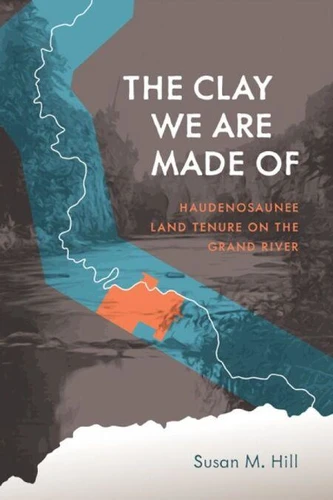
The Clay We Are Made Of. Haudenosaunee Land Tenure on the Grand River
Par :Formats :
Disponible dans votre compte client Decitre ou Furet du Nord dès validation de votre commande. Le format ePub est :
- Compatible avec une lecture sur My Vivlio (smartphone, tablette, ordinateur)
- Compatible avec une lecture sur liseuses Vivlio
- Pour les liseuses autres que Vivlio, vous devez utiliser le logiciel Adobe Digital Edition. Non compatible avec la lecture sur les liseuses Kindle, Remarkable et Sony
 , qui est-ce ?
Notre partenaire de plateforme de lecture numérique où vous retrouverez l'ensemble de vos ebooks gratuitement
Pour en savoir plus sur nos ebooks, consultez notre aide en ligne ici
C'est si simple ! Lisez votre ebook avec l'app Vivlio sur votre tablette, mobile ou ordinateur :

- FormatePub
- ISBN978-0-88755-458-2
- EAN9780887554582
- Date de parution28/04/2017
- Protection num.Digital Watermarking
- Taille2 Mo
- Infos supplémentairesepub
- ÉditeurUniversity of Manitoba Press
Résumé
If one seeks to understand Haudenosaunee (Six Nations) history, one must consider the history of Haudenosaunee land. For countless generations prior to European contact, land and territory informed Haudenosaunee thought and philosophy, and was a primary determinant of Haudenosaunee identity.
In The Clay We Are Made Of, Susan M. Hill presents a revolutionary retelling of the history of the Grand River Haudenosaunee from their Creation Story through European contact to contemporary land claims negotiations.
She incorporates Indigenous theory, fourth world post-colonialism, and Amerindian autohistory, along with Haudenosaunee languages, oral records, and wampum strings to provide the most comprehensive account of the Haudenosaunee's relationship to their land. Hill outlines the basic principles and historical knowledge contained within four key epics passed down through Haudenosaunee cultural history.
She highlights the political role of women in land negotiations and dispels their misrepresentation in the scholarly canon. She guides the reader through treaty relationships with Dutch, French, and British settler nations, including the Kaswentha/Two-Row Wampum (the precursor to all future Haudenosaunee-European treaties), the Covenant Chain, the Nanfan Treaty, and the Haldimand Proclamation, and concludes with a discussion of the current problematic relationships between the Grand River Haudenosaunee, the Crown, and the Canadian government.
She incorporates Indigenous theory, fourth world post-colonialism, and Amerindian autohistory, along with Haudenosaunee languages, oral records, and wampum strings to provide the most comprehensive account of the Haudenosaunee's relationship to their land. Hill outlines the basic principles and historical knowledge contained within four key epics passed down through Haudenosaunee cultural history.
She highlights the political role of women in land negotiations and dispels their misrepresentation in the scholarly canon. She guides the reader through treaty relationships with Dutch, French, and British settler nations, including the Kaswentha/Two-Row Wampum (the precursor to all future Haudenosaunee-European treaties), the Covenant Chain, the Nanfan Treaty, and the Haldimand Proclamation, and concludes with a discussion of the current problematic relationships between the Grand River Haudenosaunee, the Crown, and the Canadian government.