SOLDES
Jusqu'à -70% sur une sélection d'articles*


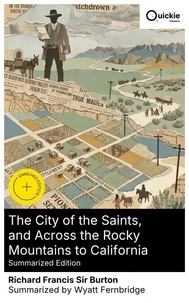
The City of the Saints, and Across the Rocky Mountains to California. Enriched edition.
Par : ,Formats :
Disponible dans votre compte client Decitre ou Furet du Nord dès validation de votre commande. Le format ePub est :
- Compatible avec une lecture sur My Vivlio (smartphone, tablette, ordinateur)
- Compatible avec une lecture sur liseuses Vivlio
- Pour les liseuses autres que Vivlio, vous devez utiliser le logiciel Adobe Digital Edition. Non compatible avec la lecture sur les liseuses Kindle, Remarkable et Sony
 , qui est-ce ?
Notre partenaire de plateforme de lecture numérique où vous retrouverez l'ensemble de vos ebooks gratuitement
Pour en savoir plus sur nos ebooks, consultez notre aide en ligne ici
C'est si simple ! Lisez votre ebook avec l'app Vivlio sur votre tablette, mobile ou ordinateur :

- Nombre de pages830
- FormatePub
- ISBN859-65--4772891-7
- EAN8596547728917
- Date de parution21/11/2023
- Protection num.Digital Watermarking
- Taille5 Mo
- Infos supplémentairesepub
- ÉditeurDIGICAT
Résumé
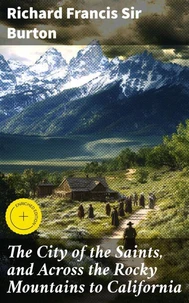
In "The City of the Saints, and Across the Rocky Mountains to California, " Richard Francis Sir Burton embarks on a meticulous exploration of the American West, particularly the mystical utopia of Salt Lake City and the rugged landscapes of the Rocky Mountains. Written in a vivid, descriptive style that harmonizes travel narrative with ethnographic observation, this work not only captures the enchanting geography and culture of the region but also critically engages with the social and religious dynamics of 19th-century Mormon society.
Burton's keen observations and rich prose offer readers a unique glimpse into the lives of the settlers and indigenous peoples, all while contextualizing their narratives within the broader movements of American expansionism and colonialism. Richard Francis Sir Burton was a renowned linguist, explorer, and anthropologist, celebrated for his extensive travels in the Middle East and Africa. His encounters with different cultures and societies deeply influenced his worldview and led him to the American frontier, where he sought to confront the myths of the West and document its realities.
A controversial figure, Burton's unapologetic exploration of taboo subjects reflects his belief in the importance of understanding diverse cultures, positioning him as a pioneering voice in travel literature. This book is a compelling read for anyone interested in the complexities of American history, cultural exchange, and exploration. Burton's blend of detailed observation and personal reflection invites readers to appreciate the landscapes and lives he encountered, making it an essential text for scholars, historians, and casual readers alike. In this enriched edition, we have carefully created added value for your reading experience: - A succinct Introduction situates the work's timeless appeal and themes. - The Synopsis outlines the central plot, highlighting key developments without spoiling critical twists. - A detailed Historical Context immerses you in the era's events and influences that shaped the writing. - A thorough Analysis dissects symbols, motifs, and character arcs to unearth underlying meanings. - Reflection questions prompt you to engage personally with the work's messages, connecting them to modern life. - Hand-picked Memorable Quotes shine a spotlight on moments of literary brilliance. - Interactive footnotes clarify unusual references, historical allusions, and archaic phrases for an effortless, more informed read.
Burton's keen observations and rich prose offer readers a unique glimpse into the lives of the settlers and indigenous peoples, all while contextualizing their narratives within the broader movements of American expansionism and colonialism. Richard Francis Sir Burton was a renowned linguist, explorer, and anthropologist, celebrated for his extensive travels in the Middle East and Africa. His encounters with different cultures and societies deeply influenced his worldview and led him to the American frontier, where he sought to confront the myths of the West and document its realities.
A controversial figure, Burton's unapologetic exploration of taboo subjects reflects his belief in the importance of understanding diverse cultures, positioning him as a pioneering voice in travel literature. This book is a compelling read for anyone interested in the complexities of American history, cultural exchange, and exploration. Burton's blend of detailed observation and personal reflection invites readers to appreciate the landscapes and lives he encountered, making it an essential text for scholars, historians, and casual readers alike. In this enriched edition, we have carefully created added value for your reading experience: - A succinct Introduction situates the work's timeless appeal and themes. - The Synopsis outlines the central plot, highlighting key developments without spoiling critical twists. - A detailed Historical Context immerses you in the era's events and influences that shaped the writing. - A thorough Analysis dissects symbols, motifs, and character arcs to unearth underlying meanings. - Reflection questions prompt you to engage personally with the work's messages, connecting them to modern life. - Hand-picked Memorable Quotes shine a spotlight on moments of literary brilliance. - Interactive footnotes clarify unusual references, historical allusions, and archaic phrases for an effortless, more informed read.