SOLDES
Jusqu'à -70% sur une sélection d'articles*

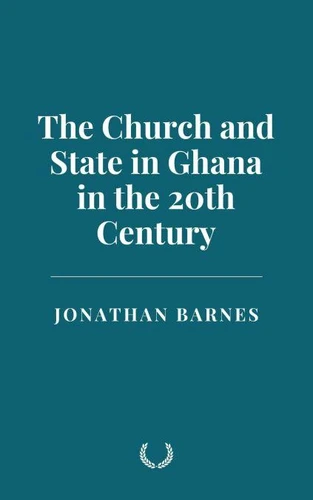
The Church and State in Ghana in the 20th Century
Par :Formats :
Disponible dans votre compte client Decitre ou Furet du Nord dès validation de votre commande. Le format ePub est :
- Compatible avec une lecture sur My Vivlio (smartphone, tablette, ordinateur)
- Compatible avec une lecture sur liseuses Vivlio
- Pour les liseuses autres que Vivlio, vous devez utiliser le logiciel Adobe Digital Edition. Non compatible avec la lecture sur les liseuses Kindle, Remarkable et Sony
 , qui est-ce ?
Notre partenaire de plateforme de lecture numérique où vous retrouverez l'ensemble de vos ebooks gratuitement
Pour en savoir plus sur nos ebooks, consultez notre aide en ligne ici
C'est si simple ! Lisez votre ebook avec l'app Vivlio sur votre tablette, mobile ou ordinateur :

- FormatePub
- ISBN8230941705
- EAN9798230941705
- Date de parution28/01/2025
- Protection num.pas de protection
- Infos supplémentairesepub
- ÉditeurIndependently Published
Résumé
This book explores the intricate and evolving relationship between the church and the state in Ghana throughout the 20th and 21st centuries, examining the church's role in shaping the country's political, social, and economic landscape. The church in Ghana, predominantly Christian, has played a multifaceted role, from a partner in colonial governance to a powerful advocate for independence, social justice, and democratic consolidation.
Each chapter delves into the church's contributions to Ghana's national development, highlighting its moral authority, its involvement in governance, and its ongoing commitment to human rights and social welfare. The narrative traces the church's involvement in pivotal moments of Ghana's history, including the struggle for independence, the rise and fall of military regimes, and the transition to democracy.
In doing so, it also critically analyzes the church's response to modernization, gender inequality, economic development, and the challenges posed by globalization and secularism. Through historical context, primary source analysis, and the voices of key religious figures, the book provides a comprehensive understanding of the church's enduring influence in shaping Ghana's identity and political culture.
Focusing on the period after Ghana's independence, the book also addresses contemporary issues, such as the church's role in peace-building, corruption, and ethical governance. As Ghana continues to navigate the complexities of democracy, development, and societal transformation, the church remains a significant force, advocating for social justice and the moral foundations upon which the nation can continue to build a more inclusive and equitable society.
The book presents a nuanced understanding of the church's evolving relationship with the state, offering a critical reflection on its past and its potential future impact on Ghana's political and social fabric.
Each chapter delves into the church's contributions to Ghana's national development, highlighting its moral authority, its involvement in governance, and its ongoing commitment to human rights and social welfare. The narrative traces the church's involvement in pivotal moments of Ghana's history, including the struggle for independence, the rise and fall of military regimes, and the transition to democracy.
In doing so, it also critically analyzes the church's response to modernization, gender inequality, economic development, and the challenges posed by globalization and secularism. Through historical context, primary source analysis, and the voices of key religious figures, the book provides a comprehensive understanding of the church's enduring influence in shaping Ghana's identity and political culture.
Focusing on the period after Ghana's independence, the book also addresses contemporary issues, such as the church's role in peace-building, corruption, and ethical governance. As Ghana continues to navigate the complexities of democracy, development, and societal transformation, the church remains a significant force, advocating for social justice and the moral foundations upon which the nation can continue to build a more inclusive and equitable society.
The book presents a nuanced understanding of the church's evolving relationship with the state, offering a critical reflection on its past and its potential future impact on Ghana's political and social fabric.
A propos de Jonathan Barnes




2,99 €

2,99 €

2,99 €

2,99 €


2,99 €


2,99 €
