SOLDES
Jusqu'à -70% sur une sélection d'articles*

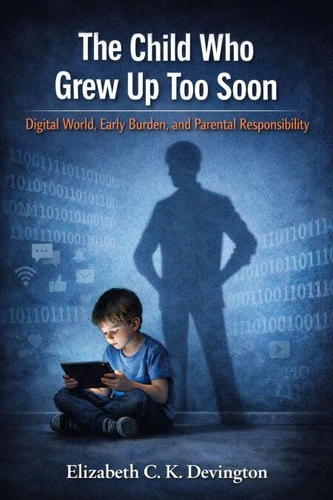
The Child Who Grew Up Too Soon
Par :Formats :
Disponible dans votre compte client Decitre ou Furet du Nord dès validation de votre commande. Le format ePub est :
- Compatible avec une lecture sur My Vivlio (smartphone, tablette, ordinateur)
- Compatible avec une lecture sur liseuses Vivlio
- Pour les liseuses autres que Vivlio, vous devez utiliser le logiciel Adobe Digital Edition. Non compatible avec la lecture sur les liseuses Kindle, Remarkable et Sony
 , qui est-ce ?
Notre partenaire de plateforme de lecture numérique où vous retrouverez l'ensemble de vos ebooks gratuitement
Pour en savoir plus sur nos ebooks, consultez notre aide en ligne ici
C'est si simple ! Lisez votre ebook avec l'app Vivlio sur votre tablette, mobile ou ordinateur :

- FormatePub
- ISBN8233661785
- EAN9798233661785
- Date de parution28/01/2026
- Protection num.pas de protection
- Infos supplémentairesepub
- ÉditeurLinda Balsamo
Résumé
The Child Who Grew Up Too Soon explores the invisible psychological burden carried by those who were forced to become adults before they were ready. This book examines how emotional neglect, early responsibility, and unspoken expectations shape identity, self-worth, and relationships later in life. It focuses on experiences that often remain unnamed: parentification, silent endurance, and the quiet adaptation children develop to survive emotionally demanding environments.
Drawing on psychological insight and lived experience, Elizabeth C. K. Devington offers a precise yet compassionate exploration of how childhood roles echo into adulthood. This is not a book about blame, but about understanding - how silence forms, how responsibility distorts boundaries, and how survival strategies can become lifelong patterns. Written for adults who grew up too soon, and for those who seek to understand them, this book invites reflection, recognition, and psychological clarity.
Drawing on psychological insight and lived experience, Elizabeth C. K. Devington offers a precise yet compassionate exploration of how childhood roles echo into adulthood. This is not a book about blame, but about understanding - how silence forms, how responsibility distorts boundaries, and how survival strategies can become lifelong patterns. Written for adults who grew up too soon, and for those who seek to understand them, this book invites reflection, recognition, and psychological clarity.