SOLDES
Jusqu'à -70% sur une sélection d'articles*

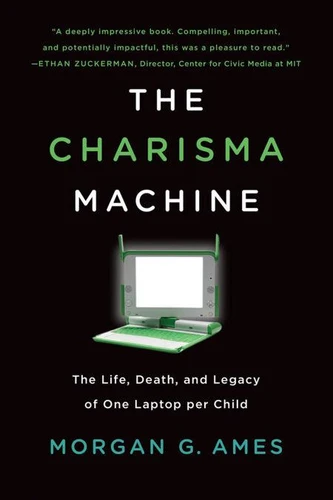
The Charisma Machine. The Life, Death, and Legacy of One Laptop per Child
Par :Formats :
Disponible dans votre compte client Decitre ou Furet du Nord dès validation de votre commande. Le format ePub protégé est :
- Compatible avec une lecture sur My Vivlio (smartphone, tablette, ordinateur)
- Compatible avec une lecture sur liseuses Vivlio
- Pour les liseuses autres que Vivlio, vous devez utiliser le logiciel Adobe Digital Edition. Non compatible avec la lecture sur les liseuses Kindle, Remarkable et Sony
- Non compatible avec un achat hors France métropolitaine
 , qui est-ce ?
Notre partenaire de plateforme de lecture numérique où vous retrouverez l'ensemble de vos ebooks gratuitement
Pour en savoir plus sur nos ebooks, consultez notre aide en ligne ici
C'est si simple ! Lisez votre ebook avec l'app Vivlio sur votre tablette, mobile ou ordinateur :

- Nombre de pages328
- FormatePub
- ISBN978-0-262-35390-8
- EAN9780262353908
- Date de parution19/11/2019
- Protection num.Adobe DRM
- Taille428 Ko
- Infos supplémentairesepub
- ÉditeurThe MIT Press
Résumé
A fascinating examination of technological utopianism and its complicated consequences. In The Charisma Machine, Morgan Ames chronicles the life and legacy of the One Laptop per Child project and explains why-despite its failures-the same utopian visions that inspired OLPC still motivate other projects trying to use technology to "disrupt" education and development. Announced in 2005 by MIT Media Lab cofounder Nicholas Negroponte, One Laptop per Child promised to transform the lives of children across the Global South with a small, sturdy, and cheap laptop computer, powered by a hand crank.
In reality, the project fell short in many ways-starting with the hand crank, which never materialized. Yet the project remained charismatic to many who were captivated by its claims of access to educational opportunities previously out of reach. Behind its promises, OLPC, like many technology projects that make similarly grand claims, had a fundamentally flawed vision of who the computer was made for and what role technology should play in learning.
Drawing on fifty years of history and a seven-month study of a model OLPC project in Paraguay, Ames reveals that the laptops were not only frustrating to use, easy to break, and hard to repair, they were designed for "technically precocious boys"-idealized younger versions of the developers themselves-rather than the children who were actually using them. The Charisma Machine offers a cautionary tale about the allure of technology hype and the problems that result when utopian dreams drive technology development.
In reality, the project fell short in many ways-starting with the hand crank, which never materialized. Yet the project remained charismatic to many who were captivated by its claims of access to educational opportunities previously out of reach. Behind its promises, OLPC, like many technology projects that make similarly grand claims, had a fundamentally flawed vision of who the computer was made for and what role technology should play in learning.
Drawing on fifty years of history and a seven-month study of a model OLPC project in Paraguay, Ames reveals that the laptops were not only frustrating to use, easy to break, and hard to repair, they were designed for "technically precocious boys"-idealized younger versions of the developers themselves-rather than the children who were actually using them. The Charisma Machine offers a cautionary tale about the allure of technology hype and the problems that result when utopian dreams drive technology development.