
Nouveauté
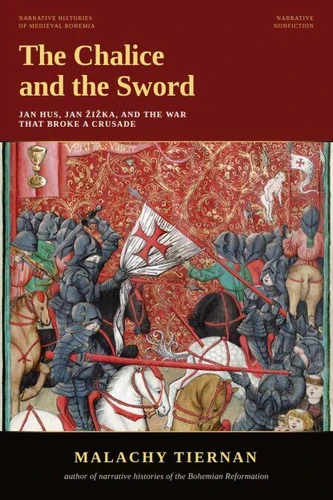
The Chalice and the Sword: Jan Hus, Jan Žižka, and the War That Broke a Crusade
Par :Formats :
Disponible dans votre compte client Decitre ou Furet du Nord dès validation de votre commande. Le format ePub est :
- Compatible avec une lecture sur My Vivlio (smartphone, tablette, ordinateur)
- Compatible avec une lecture sur liseuses Vivlio
- Pour les liseuses autres que Vivlio, vous devez utiliser le logiciel Adobe Digital Edition. Non compatible avec la lecture sur les liseuses Kindle, Remarkable et Sony
 , qui est-ce ?
Notre partenaire de plateforme de lecture numérique où vous retrouverez l'ensemble de vos ebooks gratuitement
Pour en savoir plus sur nos ebooks, consultez notre aide en ligne ici
C'est si simple ! Lisez votre ebook avec l'app Vivlio sur votre tablette, mobile ou ordinateur :

- FormatePub
- ISBN8235285743
- EAN9798235285743
- Date de parution02/07/2026
- Protection num.pas de protection
- Infos supplémentairesepub
- ÉditeurIoakim Ioakim
Résumé
The Chalice and the Sword: Jan Hus, Jan Zizka, and the War That Broke a Crusade In 1415, a Czech priest was burned at the stake for insisting that Scripture, not Rome, held the final word on matters of conscience. Bohemia's answer was war, and for the next two decades, an army of peasants, artisans, and blind generals did something no other force in medieval Europe had managed: they defeated five papal crusades in a row.
This is the full story of the Hussite revolution, from the Western Schism that first cracked papal authority, through Jan Hus's martyrdom at Constance, to Jan Zizka's wagon forts breaking armies of professional knights, to the catastrophic afternoon at Lipany when the movement finally turned its own weapons on itself. It traces the Four Articles of Prague from manifesto to battle cry to negotiated compromise, and follows the thread forward, through Martin Luther's startled discovery that he was "a Hussite without knowing it, " to a Czech nation that, five centuries later, would inscribe Hus's dying words onto the standard of its own president.
This is the full story of the Hussite revolution, from the Western Schism that first cracked papal authority, through Jan Hus's martyrdom at Constance, to Jan Zizka's wagon forts breaking armies of professional knights, to the catastrophic afternoon at Lipany when the movement finally turned its own weapons on itself. It traces the Four Articles of Prague from manifesto to battle cry to negotiated compromise, and follows the thread forward, through Martin Luther's startled discovery that he was "a Hussite without knowing it, " to a Czech nation that, five centuries later, would inscribe Hus's dying words onto the standard of its own president.