SOLDES
Jusqu'à -70% sur une sélection d'articles*

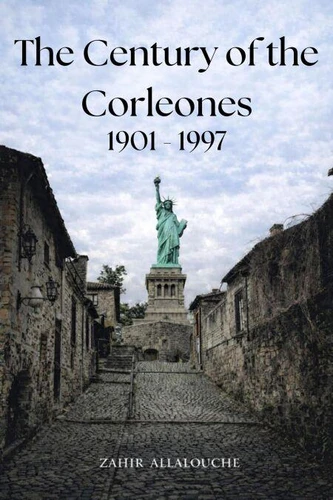
The Century of the Corleones 1901-1997
Par :Formats :
Disponible dans votre compte client Decitre ou Furet du Nord dès validation de votre commande. Le format ePub est :
- Compatible avec une lecture sur My Vivlio (smartphone, tablette, ordinateur)
- Compatible avec une lecture sur liseuses Vivlio
- Pour les liseuses autres que Vivlio, vous devez utiliser le logiciel Adobe Digital Edition. Non compatible avec la lecture sur les liseuses Kindle, Remarkable et Sony
 , qui est-ce ?
Notre partenaire de plateforme de lecture numérique où vous retrouverez l'ensemble de vos ebooks gratuitement
Pour en savoir plus sur nos ebooks, consultez notre aide en ligne ici
C'est si simple ! Lisez votre ebook avec l'app Vivlio sur votre tablette, mobile ou ordinateur :

- FormatePub
- ISBN8233948404
- EAN9798233948404
- Date de parution20/12/2025
- Protection num.pas de protection
- Infos supplémentairesepub
- ÉditeurLinda Balsamo
Résumé
The Century of the Corleones is a journey through a hundred years of power, violence, and myth, told at the crossroads of history and fiction. The book traces the rise, transformation, and gradual decline of the mafia from rural Sicily at the dawn of the twentieth century to the late 1990s, while constantly holding up a distorted mirror: the fictional saga of the Corleone family imagined by Mario Puzo and brought to the screen by Francis Ford Coppola. Each chapter moves back and forth between documented history and narrative storytelling.
On one side, real figures, real trials, real bloodshed: landowners, bandits, politicians, magistrates, pentiti, and the slow, painful construction of the modern Italian and American states. On the other, Vito and Michael Corleone, fictional characters whose trajectories condense, dramatize, and sometimes exaggerate historical dynamics that were very real. The book never confuses the two, but it shows how closely they echo each other, and why cinema and reality became so deeply entangled in the public imagination. From the olive groves of Sicily to the streets of New York, from Prohibition to the maxi-trials, the narrative explores how the mafia organized itself, professionalized violence, negotiated with power, and eventually learned to disappear into finance, politics, and global networks.
It also examines how honor, family, loyalty, and silence were constructed as moral systems, both lived and staged, and how these codes justified domination as much as they masked fear. The Century of the Corleones is not a glorification. It is a long, patient look at how myths are born, how they endure, and how they collapse. By placing historians, journalists, court records, and fictional scenes side by side, the book invites the reader to question what we think we know about the mafia, and why certain stories continue to fascinate long after the power behind them has faded. In the end, this is a book about memory.
About what survives when empires of violence lose their grip, and about how a fictional family came to symbolize a very real century of crime, compromise, and uneasy fascination on both sides of the Atlantic.
On one side, real figures, real trials, real bloodshed: landowners, bandits, politicians, magistrates, pentiti, and the slow, painful construction of the modern Italian and American states. On the other, Vito and Michael Corleone, fictional characters whose trajectories condense, dramatize, and sometimes exaggerate historical dynamics that were very real. The book never confuses the two, but it shows how closely they echo each other, and why cinema and reality became so deeply entangled in the public imagination. From the olive groves of Sicily to the streets of New York, from Prohibition to the maxi-trials, the narrative explores how the mafia organized itself, professionalized violence, negotiated with power, and eventually learned to disappear into finance, politics, and global networks.
It also examines how honor, family, loyalty, and silence were constructed as moral systems, both lived and staged, and how these codes justified domination as much as they masked fear. The Century of the Corleones is not a glorification. It is a long, patient look at how myths are born, how they endure, and how they collapse. By placing historians, journalists, court records, and fictional scenes side by side, the book invites the reader to question what we think we know about the mafia, and why certain stories continue to fascinate long after the power behind them has faded. In the end, this is a book about memory.
About what survives when empires of violence lose their grip, and about how a fictional family came to symbolize a very real century of crime, compromise, and uneasy fascination on both sides of the Atlantic.