SOLDES
Jusqu'à -70% sur une sélection d'articles*

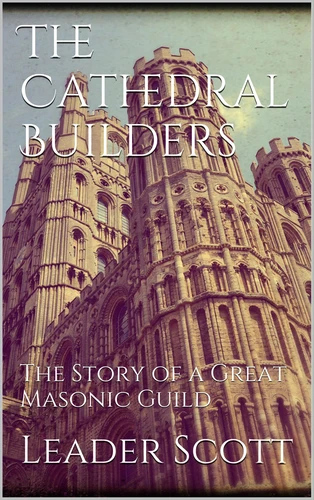
The Cathedral Builders
Par :Formats :
Disponible dans votre compte client Decitre ou Furet du Nord dès validation de votre commande. Le format ePub est :
- Compatible avec une lecture sur My Vivlio (smartphone, tablette, ordinateur)
- Compatible avec une lecture sur liseuses Vivlio
- Pour les liseuses autres que Vivlio, vous devez utiliser le logiciel Adobe Digital Edition. Non compatible avec la lecture sur les liseuses Kindle, Remarkable et Sony
 , qui est-ce ?
Notre partenaire de plateforme de lecture numérique où vous retrouverez l'ensemble de vos ebooks gratuitement
Pour en savoir plus sur nos ebooks, consultez notre aide en ligne ici
C'est si simple ! Lisez votre ebook avec l'app Vivlio sur votre tablette, mobile ou ordinateur :

- Nombre de pages510
- FormatePub
- ISBN978-3-7494-5188-3
- EAN9783749451883
- Date de parution12/04/2019
- Protection num.Digital Watermarking
- Taille6 Mo
- Infos supplémentairesepub
- ÉditeurA PRECISER
Résumé
In most histories of Italian art we are conscious of a vast hiatus of several centuries, between the ancient classic art of Rome-which was in its decadence when the Western Empire ceased in the fifth century after Christ-and that early rise of art in the twelfth century which led to the Renaissance.
This hiatus is generally supposed to be a time when Art was utterly dead and buried, its corpse in Byzantine dress lying embalmed in its tomb at Ravenna.
But all death is nothing but the germ of new life. Art was not a corpse, it was only a seed, laid in Italian soil to germinate, and it bore several plants before the great reflowering period of the Renaissance. The seed sown by the Classic schools formed the link between them and the Renaissance, just as the Romance Languages of Provence and Languedoc form the link between the dying out of the classic Latin and the rise of modern languages. Now where are we to look for this link? In language we find it just between the Roman and Gallic Empires. In Art it seems also to be on that borderland-Lombardy-where the Magistri Comacini, a mediæval Guild of Liberi Muratori (Freemasons), kept alive in their traditions the seed of classic art, slowly training it through Romanesque forms up to the Gothic, and hence to the full Renaissance.
But all death is nothing but the germ of new life. Art was not a corpse, it was only a seed, laid in Italian soil to germinate, and it bore several plants before the great reflowering period of the Renaissance. The seed sown by the Classic schools formed the link between them and the Renaissance, just as the Romance Languages of Provence and Languedoc form the link between the dying out of the classic Latin and the rise of modern languages. Now where are we to look for this link? In language we find it just between the Roman and Gallic Empires. In Art it seems also to be on that borderland-Lombardy-where the Magistri Comacini, a mediæval Guild of Liberi Muratori (Freemasons), kept alive in their traditions the seed of classic art, slowly training it through Romanesque forms up to the Gothic, and hence to the full Renaissance.