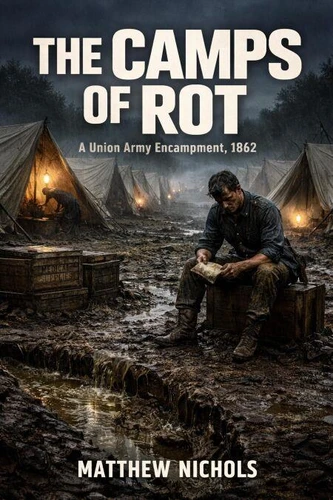
The Camps of Rot : Disease, Neglect, and the Bureaucratic Collapse Behind the Union Army’s Deadliest Enemy.
Par :Formats :
Disponible dans votre compte client Decitre ou Furet du Nord dès validation de votre commande. Le format ePub est :
- Compatible avec une lecture sur My Vivlio (smartphone, tablette, ordinateur)
- Compatible avec une lecture sur liseuses Vivlio
- Pour les liseuses autres que Vivlio, vous devez utiliser le logiciel Adobe Digital Edition. Non compatible avec la lecture sur les liseuses Kindle, Remarkable et Sony
 , qui est-ce ?
Notre partenaire de plateforme de lecture numérique où vous retrouverez l'ensemble de vos ebooks gratuitement
Pour en savoir plus sur nos ebooks, consultez notre aide en ligne ici
C'est si simple ! Lisez votre ebook avec l'app Vivlio sur votre tablette, mobile ou ordinateur :

- FormatePub
- ISBN8233980282
- EAN9798233980282
- Date de parution02/03/2026
- Protection num.pas de protection
- Infos supplémentairesepub
- ÉditeurLinda Balsamo
Résumé
Two-thirds of Union soldiers who died in the Civil War were not killed by Confederate bullets. They died in camp. In mud-soaked encampments outside Washington, in overcrowded winter quarters in Virginia, and in makeshift hospitals where medical supplies sat stranded on rail sidings, disease became the Union Army's deadliest enemy. Dysentery. Typhoid. Measles. Pneumonia. Camp fever. The Camps of Rot is a forensic reconstruction of how sanitation failures, political patronage, bureaucratic delay, and logistical collapse turned Union field camps into engines of infection.
Drawing from soldier letters, surgeon reports, congressional hearings, and U. S. Sanitary Commission investigations, this book separates battlefield myth from epidemiological record. This is not a story of inevitable tragedy. It is a documented case study in preventable systemic failure. For readers of investigative military history and serious Civil War scholarship, The Camps of Rot reexamines what truly killed the Union Army-and why the quieter war under canvas has been largely forgotten.
Drawing from soldier letters, surgeon reports, congressional hearings, and U. S. Sanitary Commission investigations, this book separates battlefield myth from epidemiological record. This is not a story of inevitable tragedy. It is a documented case study in preventable systemic failure. For readers of investigative military history and serious Civil War scholarship, The Camps of Rot reexamines what truly killed the Union Army-and why the quieter war under canvas has been largely forgotten.