Nouveauté
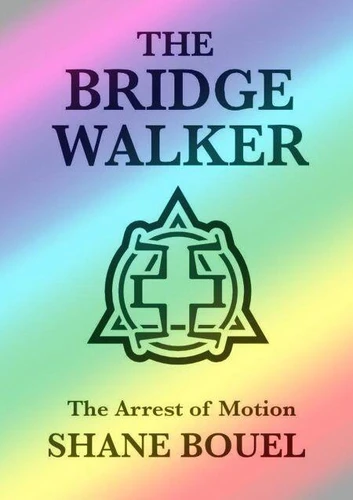
The Bridge Walker: The Arrest of Motion. The Bridge Walker Series, #4
Par :Formats :
Disponible dans votre compte client Decitre ou Furet du Nord dès validation de votre commande. Le format ePub est :
- Compatible avec une lecture sur My Vivlio (smartphone, tablette, ordinateur)
- Compatible avec une lecture sur liseuses Vivlio
- Pour les liseuses autres que Vivlio, vous devez utiliser le logiciel Adobe Digital Edition. Non compatible avec la lecture sur les liseuses Kindle, Remarkable et Sony
 , qui est-ce ?
Notre partenaire de plateforme de lecture numérique où vous retrouverez l'ensemble de vos ebooks gratuitement
Pour en savoir plus sur nos ebooks, consultez notre aide en ligne ici
C'est si simple ! Lisez votre ebook avec l'app Vivlio sur votre tablette, mobile ou ordinateur :

- FormatePub
- ISBN978-1-7643312-3-4
- EAN9781764331234
- Date de parution31/05/2026
- Protection num.pas de protection
- Infos supplémentairesepub
- ÉditeurShane Bouel
Résumé
Here it is stripped and within limits:There is a particular exhaustion that has no name in the language of productivity. It is not tiredness. It is not burnout. It is the accumulated cost of decades spent performing identity, running from severance, mistaking motion for meaning. The Arrest of Motion is the final movement of The Bridge Walker series - and it could only ever be last. After the blueprint of sovereignty, after the theology of the wound, after the raw autobiography of exile and endurance, this is what remains: stillness.
Not as defeat. Not as withdrawal. As the deepest and most demanding form of return. Shane Bouel writes from the body of the adoptee - a self forged in rupture, shaped by hypervigilance, trained from infancy to scan the room for signs of rejection. But this book moves well beyond its origin. Into territory that belongs to anyone who has built walls they can no longer see over. Anyone who has confused the relentlessness of their striving with proof of their worth.
Anyone who has forgotten what it feels like to simply be present in their own body without justification. In three movements - the collapse of the performing self, the slow discipline of genuine presence, and the covenant of rest - Bouel maps the interior geography of stopping. Not what to do next. What it means to finally arrive. The prose itself enacts the argument. Fragmented, precise, deeply somatic, it slows the reader down by design.
The hand resting on the table. The jaw unclenching. The breath that belongs, for once, to no one else. These are not metaphors. They are instructions the body already knows and has been waiting to remember. This is not a wellness book. It does not offer techniques or transformation. It offers something rarer and more difficult: permission. To stop running from what is. To stand in unhurried presence with the full weight of a life actually lived.
The Arrest of Motion is not the end of the journey. It is the discovery that you were never required to journey at all.
Not as defeat. Not as withdrawal. As the deepest and most demanding form of return. Shane Bouel writes from the body of the adoptee - a self forged in rupture, shaped by hypervigilance, trained from infancy to scan the room for signs of rejection. But this book moves well beyond its origin. Into territory that belongs to anyone who has built walls they can no longer see over. Anyone who has confused the relentlessness of their striving with proof of their worth.
Anyone who has forgotten what it feels like to simply be present in their own body without justification. In three movements - the collapse of the performing self, the slow discipline of genuine presence, and the covenant of rest - Bouel maps the interior geography of stopping. Not what to do next. What it means to finally arrive. The prose itself enacts the argument. Fragmented, precise, deeply somatic, it slows the reader down by design.
The hand resting on the table. The jaw unclenching. The breath that belongs, for once, to no one else. These are not metaphors. They are instructions the body already knows and has been waiting to remember. This is not a wellness book. It does not offer techniques or transformation. It offers something rarer and more difficult: permission. To stop running from what is. To stand in unhurried presence with the full weight of a life actually lived.
The Arrest of Motion is not the end of the journey. It is the discovery that you were never required to journey at all.