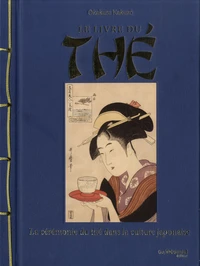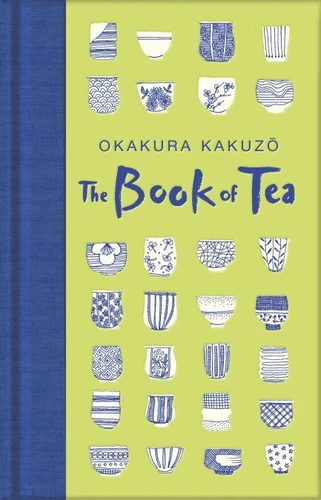



Okakura Kakuzo was born in 1862, the son of a merchant. He learnt English as a child and went on to study languages at Tokyo University. There, he started a movement to preserve Japanese culture from the rise of modernism and westernization. At the age of only twenty-nine he was made principle of the National Art School and many of his students went on to become famous artists. In 1898 he resigned to found a dissident school of art.
To raise funds, he travelled to America where he found a wealthy and interested patron in Mrs Isabella Gardner, 'Queen of Boston'. Now a successful artist, he was also appointed curator of Chinese and Japanese art at the Boston Museum. A dramatic and extrovert character, he wrote The Book of Tea in 1906 and died seven years later, in 1913. Anna Sherman was born in Little Rock, Arkansas. She studied Greek and Latin at Wellesley College and Oxford before moving to Tokyo in 2001.
The Bells of Old Tokyo is her first book.
To raise funds, he travelled to America where he found a wealthy and interested patron in Mrs Isabella Gardner, 'Queen of Boston'. Now a successful artist, he was also appointed curator of Chinese and Japanese art at the Boston Museum. A dramatic and extrovert character, he wrote The Book of Tea in 1906 and died seven years later, in 1913. Anna Sherman was born in Little Rock, Arkansas. She studied Greek and Latin at Wellesley College and Oxford before moving to Tokyo in 2001.
The Bells of Old Tokyo is her first book.