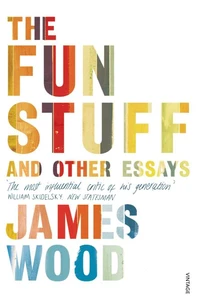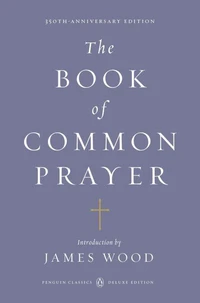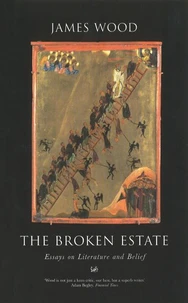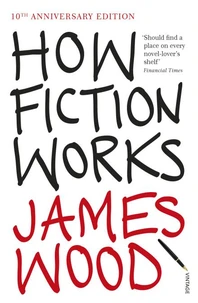
James Wood has been a staff writer at the New Yorker since 2007. In 2009, he won the National Magazine Award for reviews and criticism. He was the chief literary critic at the Guardian from 1992 to 1995, and a book critic at the New Republic from 1995 to 2007. He has published a number of books with Cape, including How Fiction Works, which has been translated into thirteen languages.
The Book Against God
Par :Formats :
Disponible dans votre compte client Decitre ou Furet du Nord dès validation de votre commande. Le format ePub protégé est :
- Compatible avec une lecture sur My Vivlio (smartphone, tablette, ordinateur)
- Compatible avec une lecture sur liseuses Vivlio
- Pour les liseuses autres que Vivlio, vous devez utiliser le logiciel Adobe Digital Edition. Non compatible avec la lecture sur les liseuses Kindle, Remarkable et Sony
- Non compatible avec un achat hors France métropolitaine
 , qui est-ce ?
Notre partenaire de plateforme de lecture numérique où vous retrouverez l'ensemble de vos ebooks gratuitement
Pour en savoir plus sur nos ebooks, consultez notre aide en ligne ici
C'est si simple ! Lisez votre ebook avec l'app Vivlio sur votre tablette, mobile ou ordinateur :

- Nombre de pages256
- FormatePub
- ISBN978-1-4464-1451-4
- EAN9781446414514
- Date de parution31/07/2013
- Protection num.Adobe DRM
- Infos supplémentairesepub
- ÉditeurVintage Digital
Résumé
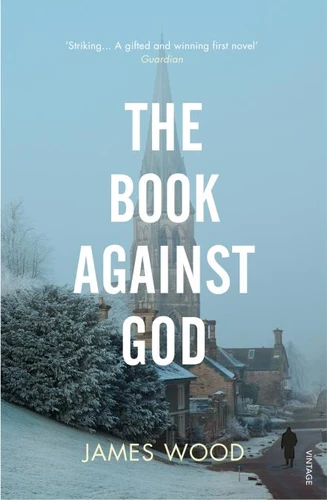
Thomas Bunting, charming, chaotic, and deeply untruthful, is in despair. His marriage is disintegrating, and his academic career is in ruins: instead of completing his philosophy PhD, he is secretly writing what he hopes will be his masterwork, a vast atheistic project he has privately entitled 'The Book Against God'. But when his father is suddenly taken ill Thomas returns home, to the tiny village in the north of England where his father still works as a parish priest.
Thomas hopes that he may finally be able to communicate honestly with his father, a brilliant and formidable Christian example, and sort out his wayward life. But Thomas is a chronic liar, as well as an atheist, and he finds, instead, that once at home he only falls back into the disastrous and evasive patterns of his childhood years.
Thomas hopes that he may finally be able to communicate honestly with his father, a brilliant and formidable Christian example, and sort out his wayward life. But Thomas is a chronic liar, as well as an atheist, and he finds, instead, that once at home he only falls back into the disastrous and evasive patterns of his childhood years.