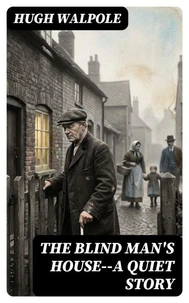
In "The Blind Man's House: A Quiet Story, " Hugh Walpole presents a poignant exploration of human connection and isolation set against the backdrop of a somnolent English village. The novel is characterized by its lyrical prose and nuanced character development, weaving together themes of loss, memory, and the unseen depths of ordinary lives. Walpole's deft handling of dialogue and introspective narrative invites readers into a reflective space, prompting contemplation on the nature of perception and the often-overlooked intricacies of daily existence.
This work emerges from the early twentieth-century literary context, which sought to delve into psychological realism and the subtleties of human emotion. Hugh Walpole, a distinguished figure in British literature, was influenced by his own complex experiences'Äîranging from his formative years in New Zealand to his extensive travels through Europe. Known for his keen observational skills and empathy for the human condition, Walpole's background as a novelist, playwright, and biographer undeniably shaped his desire to depict the intimate struggles of his characters.
The premise of a blind man's solitude serves as an allegory for societal indifference, shining light on Walpole's own concerns regarding marginalization and the essence of understanding. Readers seeking a thoughtful meditation on perception and connection will find "The Blind Man's House" a compelling addition to their literary repertoire. Walpole's graceful storytelling and rich characterizations provide a moving experience that lingers long after the final page is turned.
This novel is an invitation to delve into the quiet complexities of life, making it a must-read for those intrigued by the nuanced intersections of silence, awareness, and the profound depths of human experience.
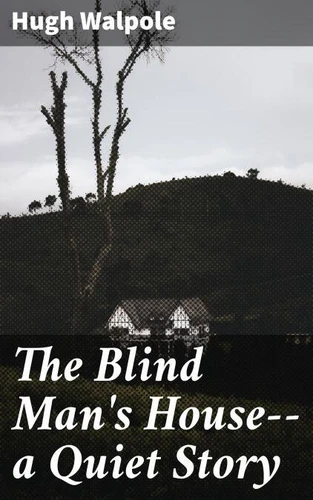
In "The Blind Man's House: A Quiet Story, " Hugh Walpole presents a poignant exploration of human connection and isolation set against the backdrop of a somnolent English village. The novel is characterized by its lyrical prose and nuanced character development, weaving together themes of loss, memory, and the unseen depths of ordinary lives. Walpole's deft handling of dialogue and introspective narrative invites readers into a reflective space, prompting contemplation on the nature of perception and the often-overlooked intricacies of daily existence.
This work emerges from the early twentieth-century literary context, which sought to delve into psychological realism and the subtleties of human emotion. Hugh Walpole, a distinguished figure in British literature, was influenced by his own complex experiences'Äîranging from his formative years in New Zealand to his extensive travels through Europe. Known for his keen observational skills and empathy for the human condition, Walpole's background as a novelist, playwright, and biographer undeniably shaped his desire to depict the intimate struggles of his characters.
The premise of a blind man's solitude serves as an allegory for societal indifference, shining light on Walpole's own concerns regarding marginalization and the essence of understanding. Readers seeking a thoughtful meditation on perception and connection will find "The Blind Man's House" a compelling addition to their literary repertoire. Walpole's graceful storytelling and rich characterizations provide a moving experience that lingers long after the final page is turned.
This novel is an invitation to delve into the quiet complexities of life, making it a must-read for those intrigued by the nuanced intersections of silence, awareness, and the profound depths of human experience.


 , qui est-ce ?