SOLDES
Jusqu'à -70% sur une sélection d'articles*

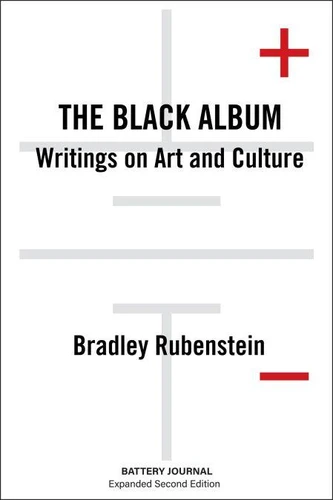
The Black Album: Writings on Art and Culture, Expanded 2nd Ed.
Par :Formats :
Disponible dans votre compte client Decitre ou Furet du Nord dès validation de votre commande. Le format ePub est :
- Compatible avec une lecture sur My Vivlio (smartphone, tablette, ordinateur)
- Compatible avec une lecture sur liseuses Vivlio
- Pour les liseuses autres que Vivlio, vous devez utiliser le logiciel Adobe Digital Edition. Non compatible avec la lecture sur les liseuses Kindle, Remarkable et Sony
 , qui est-ce ?
Notre partenaire de plateforme de lecture numérique où vous retrouverez l'ensemble de vos ebooks gratuitement
Pour en savoir plus sur nos ebooks, consultez notre aide en ligne ici
C'est si simple ! Lisez votre ebook avec l'app Vivlio sur votre tablette, mobile ou ordinateur :

- FormatePub
- ISBN978-1-7322219-2-5
- EAN9781732221925
- Date de parution15/05/2019
- Protection num.pas de protection
- Infos supplémentairesepub
- ÉditeurMeridian Art Press
Résumé
The Black Album: Writings on Art and Culture is a collection of writing by painter and writer Bradley Rubenstein. There was once a time when art, technology, science, and poetry collided with politics. Zola and Cézanne. Fénéon and Seurat. Balzac and Rodin. Jean Arp and Hans Arp. Anarchy and beauty combined. In our current moment it seems that we might be well served to remember this past; when art and culture are driven underground, new ideas emerge.
Taking Joan Didion's collection of criticism, The White Album, as a point of reference, Bradley Rubenstein creates a new vocabulary for critiquing an age where art has wed technology, fiction has become reality, and images, like words, are not always meant to be trusted. Like Robert Smithson, Rubenstein eschews a personal writing style, instead using screenplays, poetry, science fiction, satire, and other genres styles to create a continuously changing narrative.
Taking Joan Didion's collection of criticism, The White Album, as a point of reference, Bradley Rubenstein creates a new vocabulary for critiquing an age where art has wed technology, fiction has become reality, and images, like words, are not always meant to be trusted. Like Robert Smithson, Rubenstein eschews a personal writing style, instead using screenplays, poetry, science fiction, satire, and other genres styles to create a continuously changing narrative.