SOLDES
Jusqu'à -70% sur une sélection d'articles*

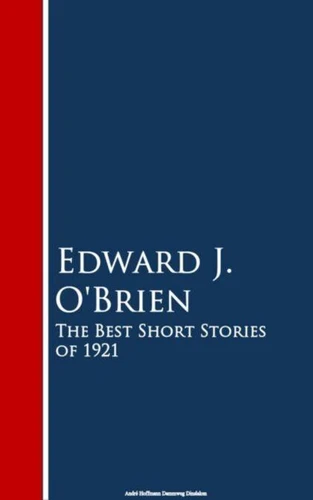
The Best Short Stories of 1921
Par :Formats :
Disponible dans votre compte client Decitre ou Furet du Nord dès validation de votre commande. Le format ePub est :
- Compatible avec une lecture sur My Vivlio (smartphone, tablette, ordinateur)
- Compatible avec une lecture sur liseuses Vivlio
- Pour les liseuses autres que Vivlio, vous devez utiliser le logiciel Adobe Digital Edition. Non compatible avec la lecture sur les liseuses Kindle, Remarkable et Sony
 , qui est-ce ?
Notre partenaire de plateforme de lecture numérique où vous retrouverez l'ensemble de vos ebooks gratuitement
Pour en savoir plus sur nos ebooks, consultez notre aide en ligne ici
C'est si simple ! Lisez votre ebook avec l'app Vivlio sur votre tablette, mobile ou ordinateur :

- Nombre de pages1080
- FormatePub
- ISBN978-3-7364-1433-4
- EAN9783736414334
- Date de parution09/09/2016
- Protection num.Digital Watermarking
- Taille524 Ko
- Infos supplémentairesepub
- ÉditeurAndhof
Résumé
I was talking the other day to Alfred Coppard, who has steered more successfully than most English story writers away from the Scylla and Charybdis of the modern artist. He told me that he had been reading several new novels and volumes of short stories by contemporary American writers with that awakened interest in the civilization we are framing which is so noticeable among English writers during the past three years.
He asked me a remarkable question, and the answer which I gave him suggested certain contrasts which seemed to me of basic importance for us all. He said: "I have been reading books by Sherwood Anderson, Waldo Frank and Ben Hecht and Konrad Bercovici and Joseph Hergesheimer, and I can see that they are important books, but I feel that the essential point to which all this newly awakened literary consciousness is tending has somehow subtly eluded me.
American and English writers both use the same language, and so do Scotch and Irish writers, but I am not puzzled when I read Scotch and Irish books as I am when I read these new American books. Why is it?"
He asked me a remarkable question, and the answer which I gave him suggested certain contrasts which seemed to me of basic importance for us all. He said: "I have been reading books by Sherwood Anderson, Waldo Frank and Ben Hecht and Konrad Bercovici and Joseph Hergesheimer, and I can see that they are important books, but I feel that the essential point to which all this newly awakened literary consciousness is tending has somehow subtly eluded me.
American and English writers both use the same language, and so do Scotch and Irish writers, but I am not puzzled when I read Scotch and Irish books as I am when I read these new American books. Why is it?"