
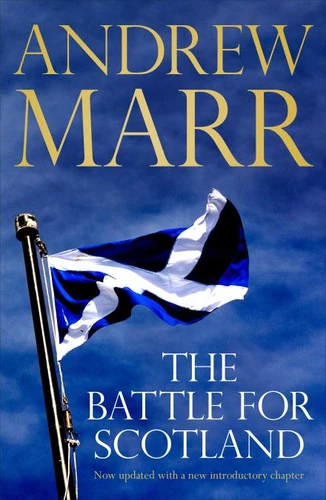
The Battle for Scotland
Par :Formats :
Disponible dans votre compte client Decitre ou Furet du Nord dès validation de votre commande. Le format ePub protégé est :
- Compatible avec une lecture sur My Vivlio (smartphone, tablette, ordinateur)
- Compatible avec une lecture sur liseuses Vivlio
- Pour les liseuses autres que Vivlio, vous devez utiliser le logiciel Adobe Digital Edition. Non compatible avec la lecture sur les liseuses Kindle, Remarkable et Sony
- Non compatible avec un achat hors France métropolitaine
 , qui est-ce ?
Notre partenaire de plateforme de lecture numérique où vous retrouverez l'ensemble de vos ebooks gratuitement
Pour en savoir plus sur nos ebooks, consultez notre aide en ligne ici
C'est si simple ! Lisez votre ebook avec l'app Vivlio sur votre tablette, mobile ou ordinateur :

- Nombre de pages277
- FormatePub
- ISBN978-0-241-96801-7
- EAN9780241968017
- Date de parution01/08/2013
- Protection num.Adobe DRM
- Infos supplémentairesepub
- ÉditeurPENGUIN
Résumé
'We may be about to see a new country - indeed, two new countries, - emerging on these islands. Half a lifetime ago, I sat down to write this book as a work of history. As it's aged, it's become current affairs.' Just twenty years ago it seemed impossible that Scotland would ever get home rule, let alone full independence. And even following a vote that did not result in Scottish independence, there are still talks of a second referendum.
In The Battle for Scotland, first published in 1992, Andrew Marr provides the historical backdrop to these extraordinary events. He attempts to explain the deep sources of Scottish national feeling and the political will which brought us to this deeply uncertain time. In a substantial introduction written before 2014's referendum, Marr considers the questions every voting Scot (and every non-voting UK citizen) were asking themselves at the time.
In The Battle for Scotland, first published in 1992, Andrew Marr provides the historical backdrop to these extraordinary events. He attempts to explain the deep sources of Scottish national feeling and the political will which brought us to this deeply uncertain time. In a substantial introduction written before 2014's referendum, Marr considers the questions every voting Scot (and every non-voting UK citizen) were asking themselves at the time.
A propos de Andrew Marr

The World I Fell Out Of
E-book
7,79 €
11,99 €
Children of the Master
E-book
8,99 €
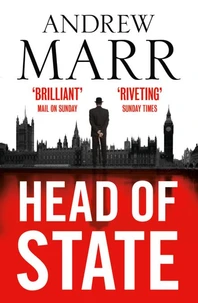
Head of State
E-book
7,79 €
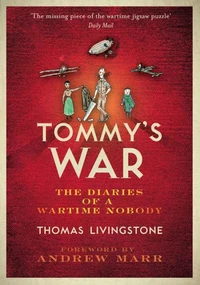
11,29 €
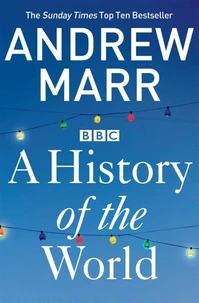
A History of the World
E-book
17,99 €
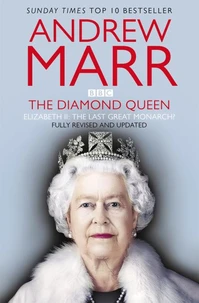
12,99 €
10,99 €

20,99 €