SOLDES
Jusqu'à -70% sur une sélection d'articles*

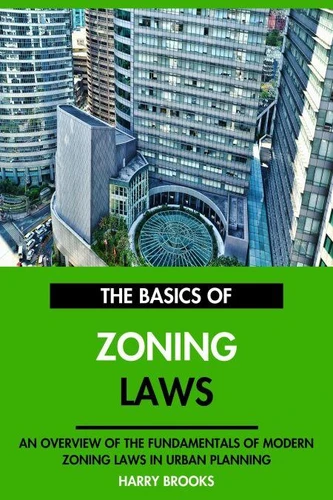
The Basics of Modern Zoning Laws: An Overview of the Fundamentals of Zoning Laws in Urban Planning.
Par :Formats :
Disponible dans votre compte client Decitre ou Furet du Nord dès validation de votre commande. Le format ePub protégé est :
- Compatible avec une lecture sur My Vivlio (smartphone, tablette, ordinateur)
- Compatible avec une lecture sur liseuses Vivlio
- Pour les liseuses autres que Vivlio, vous devez utiliser le logiciel Adobe Digital Edition. Non compatible avec la lecture sur les liseuses Kindle, Remarkable et Sony
- Non compatible avec un achat hors France métropolitaine
 , qui est-ce ?
Notre partenaire de plateforme de lecture numérique où vous retrouverez l'ensemble de vos ebooks gratuitement
Pour en savoir plus sur nos ebooks, consultez notre aide en ligne ici
C'est si simple ! Lisez votre ebook avec l'app Vivlio sur votre tablette, mobile ou ordinateur :

- FormatePub
- ISBN8231607563
- EAN9798231607563
- Date de parution16/08/2025
- Protection num.Adobe DRM
- Infos supplémentairesepub
- ÉditeurWalzone Press
Résumé
The realm of zoning laws is both intricate and essential, serving as the backbone of urban planning and development. As cities expand and evolve, the need for effective zoning regulations becomes increasingly apparent. This eBook aims to provide a comprehensive understanding of zoning laws, exploring their fundamental principles, applications, and implications for urban environments. Zoning laws are not merely bureaucratic regulations; they represent a community's vision for its future.
They dictate how land can be used, influencing everything from the types of buildings that can be constructed to the overall character of neighborhoods. By establishing clear guidelines for land use, zoning laws help to create orderly, functional, and aesthetically pleasing urban spaces. Throughout this eBook, readers will gain insights into the various aspects of zoning laws, including their historical context, the different classifications and districts, and the processes involved in zoning administration.
Additionally, the text will delve into the challenges and controversies surrounding zoning, such as issues of equity, environmental sustainability, and the balance between development and preservation. As we navigate the complexities of zoning laws, it is crucial to recognize their impact on everyday life. These regulations shape our communities, influence property values, and determine the quality of our living environments.
By understanding zoning laws, individuals can become more informed citizens, better equipped to engage in discussions about land use and urban planning. This eBook is intended for a diverse audience, including urban planners, real estate professionals, local government officials, and community members interested in understanding the legal frameworks that govern their neighborhoods. Whether you are a seasoned expert or a newcomer to the field, this text will provide valuable insights and practical knowledge. As we embark on this exploration of zoning laws, it is essential to approach the subject with an open mind and a willingness to engage with the complexities of urban planning.
The landscape of zoning is ever-changing, influenced by societal values, economic trends, and environmental considerations. By staying informed and actively participating in the zoning process, we can contribute to the creation of vibrant, sustainable communities that reflect our collective aspirations. In closing, I invite you to delve into the chapters that follow, each designed to illuminate different facets of zoning laws and their significance in urban planning.
Together, we will explore the foundations of zoning, the challenges it presents, and the opportunities it offers for shaping the future of our cities.
They dictate how land can be used, influencing everything from the types of buildings that can be constructed to the overall character of neighborhoods. By establishing clear guidelines for land use, zoning laws help to create orderly, functional, and aesthetically pleasing urban spaces. Throughout this eBook, readers will gain insights into the various aspects of zoning laws, including their historical context, the different classifications and districts, and the processes involved in zoning administration.
Additionally, the text will delve into the challenges and controversies surrounding zoning, such as issues of equity, environmental sustainability, and the balance between development and preservation. As we navigate the complexities of zoning laws, it is crucial to recognize their impact on everyday life. These regulations shape our communities, influence property values, and determine the quality of our living environments.
By understanding zoning laws, individuals can become more informed citizens, better equipped to engage in discussions about land use and urban planning. This eBook is intended for a diverse audience, including urban planners, real estate professionals, local government officials, and community members interested in understanding the legal frameworks that govern their neighborhoods. Whether you are a seasoned expert or a newcomer to the field, this text will provide valuable insights and practical knowledge. As we embark on this exploration of zoning laws, it is essential to approach the subject with an open mind and a willingness to engage with the complexities of urban planning.
The landscape of zoning is ever-changing, influenced by societal values, economic trends, and environmental considerations. By staying informed and actively participating in the zoning process, we can contribute to the creation of vibrant, sustainable communities that reflect our collective aspirations. In closing, I invite you to delve into the chapters that follow, each designed to illuminate different facets of zoning laws and their significance in urban planning.
Together, we will explore the foundations of zoning, the challenges it presents, and the opportunities it offers for shaping the future of our cities.