SOLDES
Jusqu'à -70% sur une sélection d'articles*

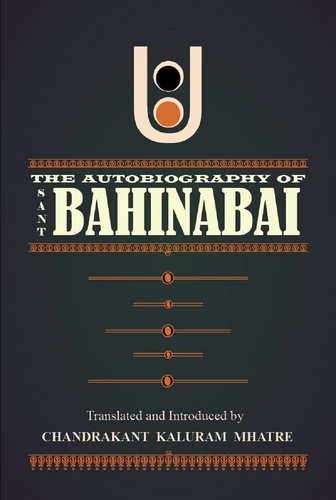
The Autobiography of Sant Bahinabai
Par :Formats :
Disponible dans votre compte client Decitre ou Furet du Nord dès validation de votre commande. Le format ePub est :
- Compatible avec une lecture sur My Vivlio (smartphone, tablette, ordinateur)
- Compatible avec une lecture sur liseuses Vivlio
- Pour les liseuses autres que Vivlio, vous devez utiliser le logiciel Adobe Digital Edition. Non compatible avec la lecture sur les liseuses Kindle, Remarkable et Sony
 , qui est-ce ?
Notre partenaire de plateforme de lecture numérique où vous retrouverez l'ensemble de vos ebooks gratuitement
Pour en savoir plus sur nos ebooks, consultez notre aide en ligne ici
C'est si simple ! Lisez votre ebook avec l'app Vivlio sur votre tablette, mobile ou ordinateur :

- FormatePub
- ISBN978-81-960911-0-1
- EAN9788196091101
- Date de parution02/01/2023
- Protection num.pas de protection
- Infos supplémentairesepub
- ÉditeurSitaram Mhatre Foundation
Résumé
Sant Bahinabai (1628-1700) was just three years old when she was married off to a 30 year old widower. Here starts a long series of hardships that Bahinabai had to brave out for the better part of her life. Hardly had she turned seven, when she had to leave their native place along with her family and go in search of livelihood from village to village and town to town, and that too on foot. No one knew when or where the next meal would be.
To worsen the matters, Bahinabai's short tempered husband accompanied her family during these seemingly endless journeys and Bahinabai was subjected to the most brutal form of domestic violence at the hands of her husband from a very tender age (even when she was three months pregnant). This travesty of a married life continued for almost a decade and her birth in the so-called higher caste did next to nothing to alleviate Bahinabai's misery, just like millions of women before and after her.
What makes Bahinabai's sufferings significant is the fact that she gave them a voice in her poems and became the first woman autobiographer of India. Her autobiography ranks very high among those works that document the lives of survivors of domestic violence, apart from being one of the oldest, if not THE oldest, such an account in the history of world literature. With its uninhibited attacks on patriarchy, Bahinabai's autobiography predates all the feminist texts in the world.
This book also contains Bahinabai's translation of Vajrasuchi Upanishad, which makes her the first woman translator of India.
To worsen the matters, Bahinabai's short tempered husband accompanied her family during these seemingly endless journeys and Bahinabai was subjected to the most brutal form of domestic violence at the hands of her husband from a very tender age (even when she was three months pregnant). This travesty of a married life continued for almost a decade and her birth in the so-called higher caste did next to nothing to alleviate Bahinabai's misery, just like millions of women before and after her.
What makes Bahinabai's sufferings significant is the fact that she gave them a voice in her poems and became the first woman autobiographer of India. Her autobiography ranks very high among those works that document the lives of survivors of domestic violence, apart from being one of the oldest, if not THE oldest, such an account in the history of world literature. With its uninhibited attacks on patriarchy, Bahinabai's autobiography predates all the feminist texts in the world.
This book also contains Bahinabai's translation of Vajrasuchi Upanishad, which makes her the first woman translator of India.