
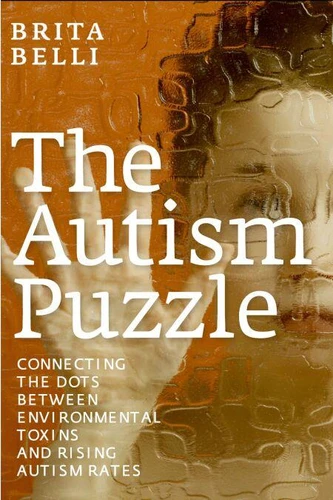
The Autism Puzzle. Connecting the Dots Between Environmental Toxins and Rising Autism Rates
Par :Formats :
Disponible dans votre compte client Decitre ou Furet du Nord dès validation de votre commande. Le format ePub protégé est :
- Compatible avec une lecture sur My Vivlio (smartphone, tablette, ordinateur)
- Compatible avec une lecture sur liseuses Vivlio
- Pour les liseuses autres que Vivlio, vous devez utiliser le logiciel Adobe Digital Edition. Non compatible avec la lecture sur les liseuses Kindle, Remarkable et Sony
- Non compatible avec un achat hors France métropolitaine
 , qui est-ce ?
Notre partenaire de plateforme de lecture numérique où vous retrouverez l'ensemble de vos ebooks gratuitement
Pour en savoir plus sur nos ebooks, consultez notre aide en ligne ici
C'est si simple ! Lisez votre ebook avec l'app Vivlio sur votre tablette, mobile ou ordinateur :

- Nombre de pages208
- FormatePub
- ISBN978-1-60980-392-6
- EAN9781609803926
- Date de parution27/03/2012
- Protection num.Adobe DRM
- Taille4 Mo
- Infos supplémentairesepub
- ÉditeurSeven Stories Press
Résumé
The alarming spike in autism in recent years has sent doctors and parents on a search for answers. And while many controversies have erupted around the issue, none have gotten us any closer to a definitive explanation, and many key concerns remain unexplored. Moving beyond the distractions of the vaccine debate, The Autism Puzzle is the first book to address the compelling evidence that it is the pairing of environmental exposures with genetic susceptibilities that may be impacting the brain development of children.
Journalist Brita Belli brings us into the lives of three families with autistic children, each with different ideas about autism, as she explores the possible causes. She interprets for readers compelling evidence that environmental toxins-including common exposures from chemicals mounting in our everyday lives-may be sparking this disorder in vulnerable children. Belli calls for an end to the use of hazardous materials-like toxic flame retardants used in electronics and furniture, which have been banned elsewhere--insisting that we cannot afford to experiment with our children. The Autism Puzzle puts a human face on the families caught in between the debates, and offers a refreshingly balanced perspective.
Journalist Brita Belli brings us into the lives of three families with autistic children, each with different ideas about autism, as she explores the possible causes. She interprets for readers compelling evidence that environmental toxins-including common exposures from chemicals mounting in our everyday lives-may be sparking this disorder in vulnerable children. Belli calls for an end to the use of hazardous materials-like toxic flame retardants used in electronics and furniture, which have been banned elsewhere--insisting that we cannot afford to experiment with our children. The Autism Puzzle puts a human face on the families caught in between the debates, and offers a refreshingly balanced perspective.