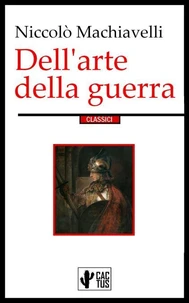
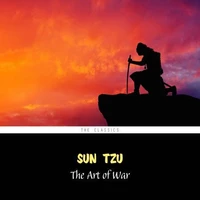
The Art of War by Niccolò Machiavelli - is a treatise by the Italian Renaissance political philosopher and historian Niccolò Machiavelli.
The format of The Art of War is a socratic dialogue. The purpose, declared by Lord Fabrizio Colonna (perhaps Machiavelli's persona) at the outset, "To honor and reward virtù, not to have contempt for poverty, to esteem the modes and orders of military discipline, to constrain citizens to love one another, to live without factions, to esteem less the private than the public good." To these ends, Machiavelli notes in his preface, the military is like the roof of a palazzo protecting the contents.
Written between 1519 and 1520 and published the following year, it was Machiavelli's only historical or political work printed during his lifetime, though he was appointed official historian of Florence in 1520 and entrusted with minor civil duties.
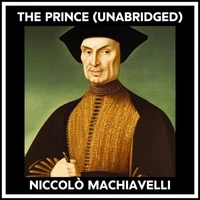
Machiavelli's Art of War echoes many themes, issues, ideas and proposals from his earlier, more widely read works, The Prince and The Discourses.
To the contemporary reader, Machiavelli's dialogue may seem impractical and to under-rate the effectiveness of both firearms and cavalry. However, his theories were not merely based on a thorough study and analysis of classical and contemporary military practices.
The Art of War by Niccolò Machiavelli - is a treatise by the Italian Renaissance political philosopher and historian Niccolò Machiavelli.
The format of The Art of War is a socratic dialogue. The purpose, declared by Lord Fabrizio Colonna (perhaps Machiavelli's persona) at the outset, "To honor and reward virtù, not to have contempt for poverty, to esteem the modes and orders of military discipline, to constrain citizens to love one another, to live without factions, to esteem less the private than the public good." To these ends, Machiavelli notes in his preface, the military is like the roof of a palazzo protecting the contents.
Written between 1519 and 1520 and published the following year, it was Machiavelli's only historical or political work printed during his lifetime, though he was appointed official historian of Florence in 1520 and entrusted with minor civil duties.
Machiavelli's Art of War echoes many themes, issues, ideas and proposals from his earlier, more widely read works, The Prince and The Discourses.
To the contemporary reader, Machiavelli's dialogue may seem impractical and to under-rate the effectiveness of both firearms and cavalry. However, his theories were not merely based on a thorough study and analysis of classical and contemporary military practices.
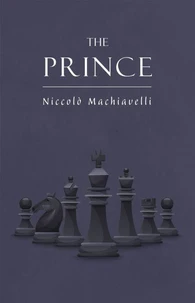
 , qui est-ce ?