SOLDES
Jusqu'à -70% sur une sélection d'articles*

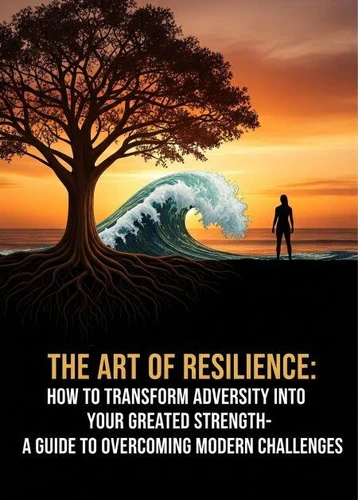
The Art of Resilience How to Transform Adversity into Your Greatest Strength
Par :Formats :
Disponible dans votre compte client Decitre ou Furet du Nord dès validation de votre commande. Le format ePub est :
- Compatible avec une lecture sur My Vivlio (smartphone, tablette, ordinateur)
- Compatible avec une lecture sur liseuses Vivlio
- Pour les liseuses autres que Vivlio, vous devez utiliser le logiciel Adobe Digital Edition. Non compatible avec la lecture sur les liseuses Kindle, Remarkable et Sony
 , qui est-ce ?
Notre partenaire de plateforme de lecture numérique où vous retrouverez l'ensemble de vos ebooks gratuitement
Pour en savoir plus sur nos ebooks, consultez notre aide en ligne ici
C'est si simple ! Lisez votre ebook avec l'app Vivlio sur votre tablette, mobile ou ordinateur :

- FormatePub
- ISBN8231536702
- EAN9798231536702
- Date de parution02/07/2025
- Protection num.pas de protection
- Infos supplémentairesepub
- ÉditeurWalzone Press
Résumé
In an ever-accelerating world, where change is the only constant and challenges emerge with disorienting speed, the concept of resilience has never been more critical. We live in an era characterized by digital overload, economic uncertainties, global health crises, and a relentless stream of information that can often feel overwhelming. It's easy to feel adrift, anxious, or defeated when faced with the sheer volume and complexity of modern life.
But what if adversity wasn't a roadblock, but a launchpad? What if the very struggles that threaten to break us could, in fact, forge us into stronger, more capable, and more purposeful individuals? This is the core promise of resilience: the profound ability not just to bounce back from hardship, but to bounce forward, leveraging difficult experiences as catalysts for profound personal growth. What is Resilience?Resilience is often misunderstood as simply "toughness" or an innate ability to withstand pressure without feeling its effects.
In reality, it's far more nuanced and dynamic. Resilience is the process of adapting well in the face of adversity, trauma, tragedy, threats, or significant sources of stress. It means maintaining your well-being and functionality despite difficult circumstances. It's not about avoiding pain or difficulty, but about navigating it with grace, learning from it, and emerging more robust than before. It's a skill, not a trait, meaning it can be learned, practiced, and strengthened over time.
Why is it Crucial in the Modern World?The challenges of today are multifaceted and often unprecedented. We face:. Information Overload: A constant barrage of news, social media, and digital communication that can lead to anxiety and decision fatigue.. Economic Volatility: Job insecurity, financial pressures, and rapid shifts in industries.. Social Disconnection: Despite hyper-connectivity, many feel isolated and lonely.
But what if adversity wasn't a roadblock, but a launchpad? What if the very struggles that threaten to break us could, in fact, forge us into stronger, more capable, and more purposeful individuals? This is the core promise of resilience: the profound ability not just to bounce back from hardship, but to bounce forward, leveraging difficult experiences as catalysts for profound personal growth. What is Resilience?Resilience is often misunderstood as simply "toughness" or an innate ability to withstand pressure without feeling its effects.
In reality, it's far more nuanced and dynamic. Resilience is the process of adapting well in the face of adversity, trauma, tragedy, threats, or significant sources of stress. It means maintaining your well-being and functionality despite difficult circumstances. It's not about avoiding pain or difficulty, but about navigating it with grace, learning from it, and emerging more robust than before. It's a skill, not a trait, meaning it can be learned, practiced, and strengthened over time.
Why is it Crucial in the Modern World?The challenges of today are multifaceted and often unprecedented. We face:. Information Overload: A constant barrage of news, social media, and digital communication that can lead to anxiety and decision fatigue.. Economic Volatility: Job insecurity, financial pressures, and rapid shifts in industries.. Social Disconnection: Despite hyper-connectivity, many feel isolated and lonely.