SOLDES
Jusqu'à -70% sur une sélection d'articles*

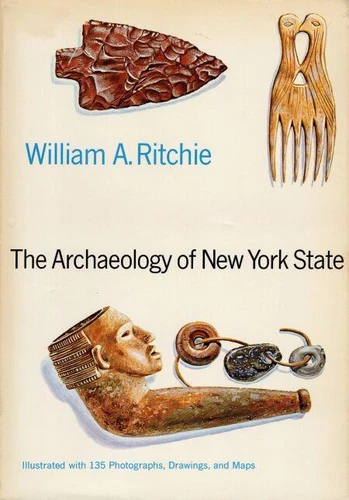
The Archaeology of New York State
Par :Formats :
Disponible dans votre compte client Decitre ou Furet du Nord dès validation de votre commande. Le format ePub protégé est :
- Compatible avec une lecture sur My Vivlio (smartphone, tablette, ordinateur)
- Compatible avec une lecture sur liseuses Vivlio
- Pour les liseuses autres que Vivlio, vous devez utiliser le logiciel Adobe Digital Edition. Non compatible avec la lecture sur les liseuses Kindle, Remarkable et Sony
- Non compatible avec un achat hors France métropolitaine
 , qui est-ce ?
Notre partenaire de plateforme de lecture numérique où vous retrouverez l'ensemble de vos ebooks gratuitement
Pour en savoir plus sur nos ebooks, consultez notre aide en ligne ici
C'est si simple ! Lisez votre ebook avec l'app Vivlio sur votre tablette, mobile ou ordinateur :

- Nombre de pages357
- FormatePub
- ISBN978-0-307-82049-5
- EAN9780307820495
- Date de parution19/02/2014
- Protection num.Adobe DRM
- Taille79 Mo
- Infos supplémentairesepub
- ÉditeurDoubleday
Résumé
The most complete account of ancient man in the New York area ever published in one volume, this book traces a rich, 8000-year story of human prehistory. Beginning with the first known inhabitants, Paleo-Indian hunters who lived approximately 7000 B. C., the author gives a detailed chronological account of the complex of cultural units that have existed in the area, culminating in the Iroquois tribes encountered by the European colonists at the dawn of the seventeenth century. All of the major archaeological sites in the region are described in detail and representative artifacts from all the major cultural units are illustrated in over 100 plates and drawings.
The entire account is informed by the most recently obtained radio-carbon dates. In addition to giving much new, previously unpublished information, the author has synthesized all earlier published material and from this he has drawn as many inferences as the material affords regarding the nature of these early inhabitants, where they came from, and how they lived. Each cultural unit is systematically described: its discovery and naming; its ecological and chronological setting; the physical characteristics of the related people; economy; housing and settlement pattern; dress and ornament; technology; transportation; trade relationships; warfare; esthetic and recreational activities; social and political organization; mortuary customs; and religio-magical and ceremonial customs.
The entire account is informed by the most recently obtained radio-carbon dates. In addition to giving much new, previously unpublished information, the author has synthesized all earlier published material and from this he has drawn as many inferences as the material affords regarding the nature of these early inhabitants, where they came from, and how they lived. Each cultural unit is systematically described: its discovery and naming; its ecological and chronological setting; the physical characteristics of the related people; economy; housing and settlement pattern; dress and ornament; technology; transportation; trade relationships; warfare; esthetic and recreational activities; social and political organization; mortuary customs; and religio-magical and ceremonial customs.