SOLDES
Jusqu'à -70% sur une sélection d'articles*

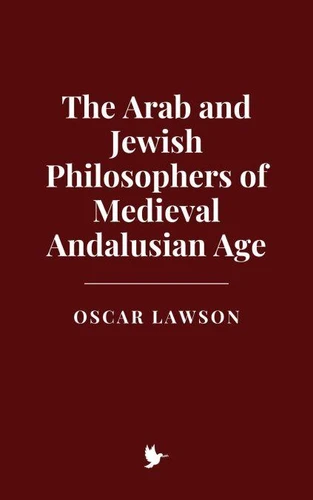
The Arab and Jewish Philosophers of Medieval Andalusian Age
Par :Formats :
Disponible dans votre compte client Decitre ou Furet du Nord dès validation de votre commande. Le format ePub est :
- Compatible avec une lecture sur My Vivlio (smartphone, tablette, ordinateur)
- Compatible avec une lecture sur liseuses Vivlio
- Pour les liseuses autres que Vivlio, vous devez utiliser le logiciel Adobe Digital Edition. Non compatible avec la lecture sur les liseuses Kindle, Remarkable et Sony
 , qui est-ce ?
Notre partenaire de plateforme de lecture numérique où vous retrouverez l'ensemble de vos ebooks gratuitement
Pour en savoir plus sur nos ebooks, consultez notre aide en ligne ici
C'est si simple ! Lisez votre ebook avec l'app Vivlio sur votre tablette, mobile ou ordinateur :

- FormatePub
- ISBN8230688655
- EAN9798230688655
- Date de parution02/02/2025
- Protection num.pas de protection
- Infos supplémentairesepub
- ÉditeurIndependently Published
Résumé
This book explores the rich intellectual history of Al-Andalus, a region in medieval Spain where Muslim, Christian, and Jewish cultures coexisted, creating a unique and vibrant environment for philosophical, scientific, and theological inquiry. From the early contributions of philosophers such as Ibn Masarra and Al-Farabi, to the more well-known works of Averroes, Avicenna, and Maimonides, the book traces the development of thought that both preserved and advanced the intellectual legacy of ancient Greece and Rome while integrating it with Islamic, Jewish, and Christian ideas.
Through a series of translations, commentaries, and scholarly dialogues, Al-Andalus became a bridge between the classical and medieval worlds, ensuring that the philosophical and scientific discoveries of antiquity were transmitted to the Christian West, influencing the course of European thought during the Renaissance, Scientific Revolution, and beyond. The book highlights the enduring legacy of Al-Andalus in shaping modern discussions on reason, faith, ethics, politics, and science, emphasizing the importance of cross-cultural exchange in the development of human knowledge.
By examining the ideas of Andalusian scholars, this work underscores the region's central role in the history of intellectual and scientific progress, and its lasting impact on the intellectual traditions of both the Islamic and Western worlds.
Through a series of translations, commentaries, and scholarly dialogues, Al-Andalus became a bridge between the classical and medieval worlds, ensuring that the philosophical and scientific discoveries of antiquity were transmitted to the Christian West, influencing the course of European thought during the Renaissance, Scientific Revolution, and beyond. The book highlights the enduring legacy of Al-Andalus in shaping modern discussions on reason, faith, ethics, politics, and science, emphasizing the importance of cross-cultural exchange in the development of human knowledge.
By examining the ideas of Andalusian scholars, this work underscores the region's central role in the history of intellectual and scientific progress, and its lasting impact on the intellectual traditions of both the Islamic and Western worlds.
A propos de Oscar Lawson





2,99 €