The Anti-Slavery Alphabet. A Poignant Journey Through the Anti-Slavery Movement
Par :Formats :
Disponible dans votre compte client Decitre ou Furet du Nord dès validation de votre commande. Le format ePub est :
- Compatible avec une lecture sur My Vivlio (smartphone, tablette, ordinateur)
- Compatible avec une lecture sur liseuses Vivlio
- Pour les liseuses autres que Vivlio, vous devez utiliser le logiciel Adobe Digital Edition. Non compatible avec la lecture sur les liseuses Kindle, Remarkable et Sony
 , qui est-ce ?
Notre partenaire de plateforme de lecture numérique où vous retrouverez l'ensemble de vos ebooks gratuitement
Pour en savoir plus sur nos ebooks, consultez notre aide en ligne ici
C'est si simple ! Lisez votre ebook avec l'app Vivlio sur votre tablette, mobile ou ordinateur :

- Nombre de pages427
- FormatePub
- ISBN4057664179869
- EAN4057664179869
- Date de parution20/11/2019
- Protection num.Digital Watermarking
- Taille878 Ko
- Infos supplémentairesepub
- ÉditeurGOOD PRESS
Résumé
The Anti-Slavery Alphabet is a poignant and thought-provoking text that employs an innovative approach to address the moral and ethical dilemmas surrounding slavery in the 19th century. Through an alphabetic format, the book masterfully pairs each letter with a corresponding term or concept relevant to the abolitionist cause, creating an educational tool that is both engaging and impactful. The simplicity of the literary style juxtaposed with the weight of its subject matter showcases a deep commitment to social justice, making it a vital artifact within the canon of anti-slavery literature, particularly during a time when such discourse was critical in shaping public opinion and policy.
The author, remaining anonymous, reflects a trend among abolitionist writers who often faced societal ostracism and potential repercussions for their views. By choosing to withhold their identity, the author underscores the collective movement towards emancipation, allowing the focus to remain on the ideas rather than the individual. This anonymity is emblematic of a broader, grassroots abolitionist sentiment yearning for freedom and equality, amplifying the voices of those oppressed.
The Anti-Slavery Alphabet is highly recommended for scholars and general readers alike seeking insight into the historical fight against slavery. Its unique format serves as an accessible entry point into the complexities of abolitionist rhetoric, making it an essential addition to any collection focused on social justice, historical literature, or moral philosophy.
The author, remaining anonymous, reflects a trend among abolitionist writers who often faced societal ostracism and potential repercussions for their views. By choosing to withhold their identity, the author underscores the collective movement towards emancipation, allowing the focus to remain on the ideas rather than the individual. This anonymity is emblematic of a broader, grassroots abolitionist sentiment yearning for freedom and equality, amplifying the voices of those oppressed.
The Anti-Slavery Alphabet is highly recommended for scholars and general readers alike seeking insight into the historical fight against slavery. Its unique format serves as an accessible entry point into the complexities of abolitionist rhetoric, making it an essential addition to any collection focused on social justice, historical literature, or moral philosophy.
A propos de Anonymous


Pistis Sophia
E-book
1,99 €

1,99 €
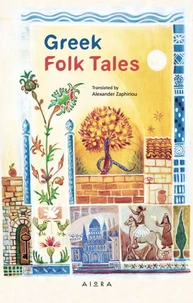
Greek Folk Tales
E-book
8,99 €

The Rig Veda
E-book
0,49 €
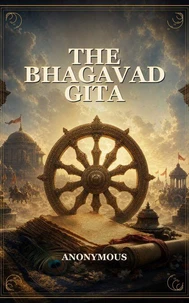
The Bhagavad Gita
E-book
0,49 €

0,49 €

The Dhammapada
E-book
0,49 €

The Upanishads
E-book
0,49 €

Sophie Jewett
E-book
0,49 €

Clements Markham
E-book
0,49 €

The London Prodigal
E-book
0,49 €
Mucedorus
E-book
0,49 €

Arden of Faversham
E-book
0,49 €

0,49 €

Unvoiced Feelings
E-book
2,99 €

Lazarillo de Tormes
E-book
0,49 €

Black Dreams
E-book
6,49 €

0,99 €
