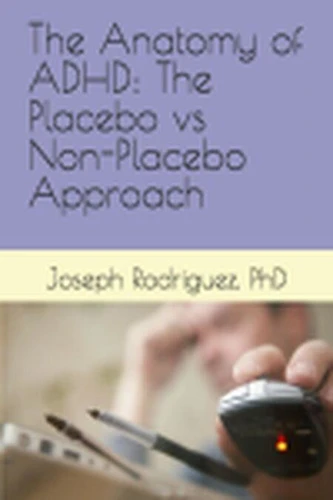
The Anatomy of ADHD: The Placebo vs. Non-Placebo Approach is an insightful exploration of Attention-Deficit/Hyperactivity Disorder (ADHD) through the lens of both belief-driven methods and scientific, evidence-based treatments. This book provides readers with a deep understanding of the unique characteristics of ADHD and how it affects individuals in different ways, while offering a wide range of tools and strategies to help manage its symptoms. The book is structured around two complementary approaches.
The placebo-based approach emphasizes the power of belief, routines, and caregiver or teacher expectations in managing ADHD symptoms. It explores how structured environments, positive reinforcement, and self-regulation techniques can improve focus, reduce hyperactivity, and build emotional resilience. The placebo effect, often associated with belief in a treatment, can produce real improvements in behavior and attention when consistent systems of support and expectation are in place. On the non-placebo side, the book presents established, evidence-based treatments, including medications such as stimulants and non-stimulants, as well as behavioral therapies.
It explores how stimulant medications like methylphenidate (Ritalin) and amphetamines (Adderall) work to improve attention and impulse control by increasing dopamine levels in the brain. Non-stimulant medications like guanfacine and clonidine are also covered, offering alternative treatment options for managing hyperactivity and emotional regulation. Additionally, the book delves into Cognitive Behavioral Therapy (CBT), which helps individuals with ADHD learn strategies to manage impulsive behaviors, improve organizational skills, and develop better time management. The book also emphasizes the importance of holistic strategies in managing ADHD, such as mindfulness, physical exercise, and proper nutrition.
Mindfulness practices, like meditation and breathwork, are shown to improve focus and calm hyperactive tendencies, while exercise and nutrition support overall brain health and emotional balance. These natural interventions can complement or, in some cases, reduce reliance on medications. A key theme in The Anatomy of ADHD is the understanding that ADHD is not merely a disorder but can be viewed as an ability when channeled properly.
The book challenges the idea that ADHD is purely a disability and suggests that individuals with ADHD often have unique strengths, such as creativity, hyperfocus on areas of interest, and high energy levels. By learning how to manage symptoms effectively, individuals with ADHD can harness these strengths and lead productive, fulfilling lives. The book also explores how ADHD can be influenced by genetic factors, early childhood experiences, and environmental triggers.
The author suggests that trauma and generational influences can play a role in the development and expression of ADHD symptoms, emphasizing the importance of understanding each individual's unique background when crafting a treatment plan. Ultimately, The Anatomy of ADHD advocates for a personalized, integrative approach to ADHD management. It encourages readers to blend belief-driven strategies with scientifically proven treatments, offering a balanced approach to both symptom management and personal growth.
Whether through structured routines, medication, mindfulness practices, or self-awareness, the book provides readers with the tools they need to take control of their ADHD and use it to their advantage.
The Anatomy of ADHD: The Placebo vs. Non-Placebo Approach is an insightful exploration of Attention-Deficit/Hyperactivity Disorder (ADHD) through the lens of both belief-driven methods and scientific, evidence-based treatments. This book provides readers with a deep understanding of the unique characteristics of ADHD and how it affects individuals in different ways, while offering a wide range of tools and strategies to help manage its symptoms. The book is structured around two complementary approaches.
The placebo-based approach emphasizes the power of belief, routines, and caregiver or teacher expectations in managing ADHD symptoms. It explores how structured environments, positive reinforcement, and self-regulation techniques can improve focus, reduce hyperactivity, and build emotional resilience. The placebo effect, often associated with belief in a treatment, can produce real improvements in behavior and attention when consistent systems of support and expectation are in place. On the non-placebo side, the book presents established, evidence-based treatments, including medications such as stimulants and non-stimulants, as well as behavioral therapies.
It explores how stimulant medications like methylphenidate (Ritalin) and amphetamines (Adderall) work to improve attention and impulse control by increasing dopamine levels in the brain. Non-stimulant medications like guanfacine and clonidine are also covered, offering alternative treatment options for managing hyperactivity and emotional regulation. Additionally, the book delves into Cognitive Behavioral Therapy (CBT), which helps individuals with ADHD learn strategies to manage impulsive behaviors, improve organizational skills, and develop better time management. The book also emphasizes the importance of holistic strategies in managing ADHD, such as mindfulness, physical exercise, and proper nutrition.
Mindfulness practices, like meditation and breathwork, are shown to improve focus and calm hyperactive tendencies, while exercise and nutrition support overall brain health and emotional balance. These natural interventions can complement or, in some cases, reduce reliance on medications. A key theme in The Anatomy of ADHD is the understanding that ADHD is not merely a disorder but can be viewed as an ability when channeled properly.
The book challenges the idea that ADHD is purely a disability and suggests that individuals with ADHD often have unique strengths, such as creativity, hyperfocus on areas of interest, and high energy levels. By learning how to manage symptoms effectively, individuals with ADHD can harness these strengths and lead productive, fulfilling lives. The book also explores how ADHD can be influenced by genetic factors, early childhood experiences, and environmental triggers.
The author suggests that trauma and generational influences can play a role in the development and expression of ADHD symptoms, emphasizing the importance of understanding each individual's unique background when crafting a treatment plan. Ultimately, The Anatomy of ADHD advocates for a personalized, integrative approach to ADHD management. It encourages readers to blend belief-driven strategies with scientifically proven treatments, offering a balanced approach to both symptom management and personal growth.
Whether through structured routines, medication, mindfulness practices, or self-awareness, the book provides readers with the tools they need to take control of their ADHD and use it to their advantage.


 , qui est-ce ?