SOLDES
Jusqu'à -70% sur une sélection d'articles*

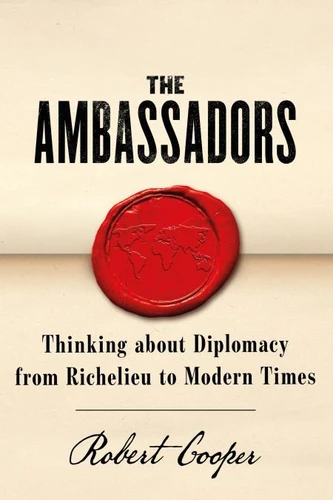
The Ambassadors. Thinking about Diplomacy from Machiavelli to Modern Times
Par :Formats :
Disponible dans votre compte client Decitre ou Furet du Nord dès validation de votre commande. Le format ePub protégé est :
- Compatible avec une lecture sur My Vivlio (smartphone, tablette, ordinateur)
- Compatible avec une lecture sur liseuses Vivlio
- Pour les liseuses autres que Vivlio, vous devez utiliser le logiciel Adobe Digital Edition. Non compatible avec la lecture sur les liseuses Kindle, Remarkable et Sony
- Non compatible avec un achat hors France métropolitaine
 , qui est-ce ?
Notre partenaire de plateforme de lecture numérique où vous retrouverez l'ensemble de vos ebooks gratuitement
Pour en savoir plus sur nos ebooks, consultez notre aide en ligne ici
C'est si simple ! Lisez votre ebook avec l'app Vivlio sur votre tablette, mobile ou ordinateur :

- Nombre de pages576
- FormatePub
- ISBN978-0-297-60854-7
- EAN9780297608547
- Date de parution27/05/2020
- Protection num.Adobe DRM
- Infos supplémentairesepub
- ÉditeurWeidenfeld & Nicolson
Résumé
History does not run in straight lines. Instead of inevitable progress, what we get is more often false starts, blind alleys, random events, good intentions that go wrong. Robert Cooper's incisive and elegant book is therefore not a continuous diplomatic history. Richelieu and Mazarin inhabited a 16th-century world we can hardly imagine today, but it is from their time that we can begin to see the outline of today's Europe.
The Ambassadors includes a brilliant analysis of the people who built the Western side of the Cold War. Henry Kissinger is a pivotal figure in the post-war world, and his story is in some ways typical: he failed in his most important aims and succeeded in ways he never expected. Robert Cooper's pieces together history and considers the illuminating fragments it leaves behind.
The Ambassadors includes a brilliant analysis of the people who built the Western side of the Cold War. Henry Kissinger is a pivotal figure in the post-war world, and his story is in some ways typical: he failed in his most important aims and succeeded in ways he never expected. Robert Cooper's pieces together history and considers the illuminating fragments it leaves behind.