SOLDES
Jusqu'à -70% sur une sélection d'articles*

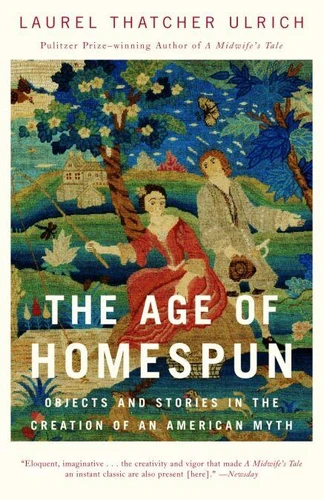
The Age of Homespun. Objects and Stories in the Creation of an American Myth
Par :Formats :
Disponible dans votre compte client Decitre ou Furet du Nord dès validation de votre commande. Le format ePub protégé est :
- Compatible avec une lecture sur My Vivlio (smartphone, tablette, ordinateur)
- Compatible avec une lecture sur liseuses Vivlio
- Pour les liseuses autres que Vivlio, vous devez utiliser le logiciel Adobe Digital Edition. Non compatible avec la lecture sur les liseuses Kindle, Remarkable et Sony
- Non compatible avec un achat hors France métropolitaine
 , qui est-ce ?
Notre partenaire de plateforme de lecture numérique où vous retrouverez l'ensemble de vos ebooks gratuitement
Pour en savoir plus sur nos ebooks, consultez notre aide en ligne ici
C'est si simple ! Lisez votre ebook avec l'app Vivlio sur votre tablette, mobile ou ordinateur :

- Nombre de pages512
- FormatePub
- ISBN978-0-307-41686-5
- EAN9780307416865
- Date de parution26/08/2009
- Protection num.Adobe DRM
- Taille12 Mo
- Infos supplémentairesepub
- ÉditeurVintage
Résumé
They began their existence as everyday objects, but in the hands of award-winning historian Laurel Thatcher Ulrich, fourteen domestic items from preindustrial America-ranging from a linen tablecloth to an unfinished sock-relinquish their stories and offer profound insights into our history. In an age when even meals are rarely made from scratch, homespun easily acquires the glow of nostalgia. The objects Ulrich investigates unravel those simplified illusions, revealing important clues to the culture and people who made them.
Ulrich uses an Indian basket to explore the uneasy coexistence of native and colonial Americans. A piece of silk embroidery reveals racial and class distinctions, and two old spinning wheels illuminate the connections between colonial cloth-making and war. Pulling these divergent threads together, Ulrich demonstrates how early Americans made, used, sold, and saved textiles in order to assert their identities, shape relationships, and create history.
Ulrich uses an Indian basket to explore the uneasy coexistence of native and colonial Americans. A piece of silk embroidery reveals racial and class distinctions, and two old spinning wheels illuminate the connections between colonial cloth-making and war. Pulling these divergent threads together, Ulrich demonstrates how early Americans made, used, sold, and saved textiles in order to assert their identities, shape relationships, and create history.