SOLDES
Jusqu'à -70% sur une sélection d'articles*

Nouveauté
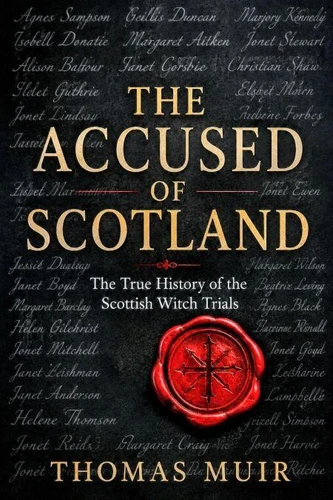
The Accused Of Scotland
Par :Formats :
Disponible dans votre compte client Decitre ou Furet du Nord dès validation de votre commande. Le format ePub est :
- Compatible avec une lecture sur My Vivlio (smartphone, tablette, ordinateur)
- Compatible avec une lecture sur liseuses Vivlio
- Pour les liseuses autres que Vivlio, vous devez utiliser le logiciel Adobe Digital Edition. Non compatible avec la lecture sur les liseuses Kindle, Remarkable et Sony
 , qui est-ce ?
Notre partenaire de plateforme de lecture numérique où vous retrouverez l'ensemble de vos ebooks gratuitement
Pour en savoir plus sur nos ebooks, consultez notre aide en ligne ici
C'est si simple ! Lisez votre ebook avec l'app Vivlio sur votre tablette, mobile ou ordinateur :

- FormatePub
- ISBN8235088306
- EAN9798235088306
- Date de parution06/06/2026
- Protection num.pas de protection
- Infos supplémentairesepub
- ÉditeurIoakim Ioakim
Résumé
Scotland's witch trials remain one of the darkest chapters in the nation's history. Behind every accusation stood a real person: a neighbour, healer, widow, servant, mother, beggar, minister, or labourer whose life could be undone by rumour, fear, poverty, religious pressure, and the machinery of law. The Accused of Scotland tells the true history of the Scottish witch trials, from the Witchcraft Act of 1563 to the last remembered cases before repeal in the eighteenth century.
It follows the rise of suspicion in parish life, the power of the Kirk, the courts and commissions that turned fear into death sentences, and the terrible methods used to obtain confessions, including watching, searching, witch-pricking, and relentless interrogation. This book examines the great panics and infamous cases that shaped Scotland's witch-hunting history, including the North Berwick trials, the role of King James VI, the confessions of Isobel Gowdie, the trials of Fife and the east coast, the northern and island cases, and the late persecutions at Paisley, Pittenweem, and Dornoch.
It also looks beyond the famous names to the ordinary women and men whose stories survive only in fragments of court records, parish minutes, and local memory. Written as serious historical nonfiction, The Accused of Scotland does not treat the condemned as servants of the Devil, but as accused people caught in a world where law, religion, illness, weather, gossip, and misfortune could combine with fatal force.
This is a book about fear, belief, authority, injustice, and remembrance. It is the story of a country that once gave legal power to suspicion, and of the names that still remain after the fires went out.
It follows the rise of suspicion in parish life, the power of the Kirk, the courts and commissions that turned fear into death sentences, and the terrible methods used to obtain confessions, including watching, searching, witch-pricking, and relentless interrogation. This book examines the great panics and infamous cases that shaped Scotland's witch-hunting history, including the North Berwick trials, the role of King James VI, the confessions of Isobel Gowdie, the trials of Fife and the east coast, the northern and island cases, and the late persecutions at Paisley, Pittenweem, and Dornoch.
It also looks beyond the famous names to the ordinary women and men whose stories survive only in fragments of court records, parish minutes, and local memory. Written as serious historical nonfiction, The Accused of Scotland does not treat the condemned as servants of the Devil, but as accused people caught in a world where law, religion, illness, weather, gossip, and misfortune could combine with fatal force.
This is a book about fear, belief, authority, injustice, and remembrance. It is the story of a country that once gave legal power to suspicion, and of the names that still remain after the fires went out.