SOLDES
Jusqu'à -70% sur une sélection d'articles*

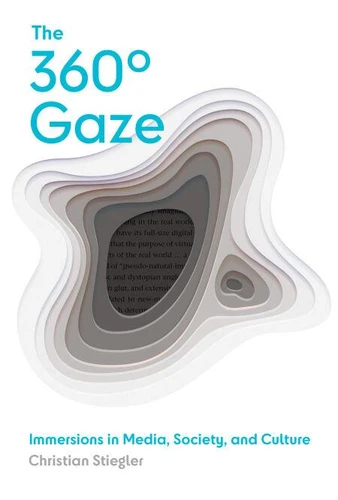
The 360° Gaze. Immersions in Media, Society, and Culture
Par :Formats :
Disponible dans votre compte client Decitre ou Furet du Nord dès validation de votre commande. Le format ePub protégé est :
- Compatible avec une lecture sur My Vivlio (smartphone, tablette, ordinateur)
- Compatible avec une lecture sur liseuses Vivlio
- Pour les liseuses autres que Vivlio, vous devez utiliser le logiciel Adobe Digital Edition. Non compatible avec la lecture sur les liseuses Kindle, Remarkable et Sony
- Non compatible avec un achat hors France métropolitaine
 , qui est-ce ?
Notre partenaire de plateforme de lecture numérique où vous retrouverez l'ensemble de vos ebooks gratuitement
Pour en savoir plus sur nos ebooks, consultez notre aide en ligne ici
C'est si simple ! Lisez votre ebook avec l'app Vivlio sur votre tablette, mobile ou ordinateur :

- Nombre de pages320
- FormatePub
- ISBN978-0-262-36330-3
- EAN9780262363303
- Date de parution25/05/2021
- Protection num.Adobe DRM
- Taille17 Mo
- Infos supplémentairesepub
- ÉditeurThe MIT Press
Résumé
A comprehensive study of the pervasive role of immersion and immersive media in postmodern culture, from a humanities and social sciences perspective. Virtual reality, augmented reality, mixed reality, and other modes of digitally induced immersion herald a major cultural and economic shift in society. Most academic discussions of immersion and immersive media have focused on the technological aspects.
In The 360° Gaze, Christian Stiegler takes a humanities and social science approach, emphasizing the human implications of immersive media in postmodern culture. Examining characteristics common to all immersive experiences, he uncovers dominant metaphors, such as the rabbit hole, and prevailing ideologies. He raises fundamental questions about opportunities and risks associated with immersion, as well as the potential effects on individuals, communities, and societies.
In The 360° Gaze, Christian Stiegler takes a humanities and social science approach, emphasizing the human implications of immersive media in postmodern culture. Examining characteristics common to all immersive experiences, he uncovers dominant metaphors, such as the rabbit hole, and prevailing ideologies. He raises fundamental questions about opportunities and risks associated with immersion, as well as the potential effects on individuals, communities, and societies.