SOLDES
Jusqu'à -70% sur une sélection d'articles*

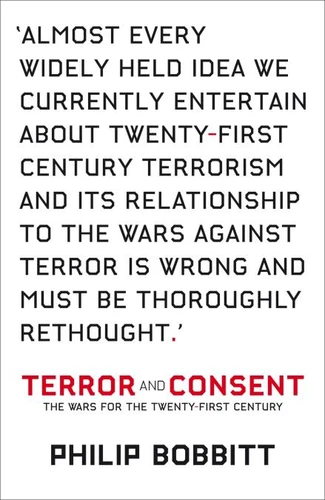
Terror and Consent. The Wars for the Twenty-first Century
Par :Formats :
Disponible dans votre compte client Decitre ou Furet du Nord dès validation de votre commande. Le format ePub protégé est :
- Compatible avec une lecture sur My Vivlio (smartphone, tablette, ordinateur)
- Compatible avec une lecture sur liseuses Vivlio
- Pour les liseuses autres que Vivlio, vous devez utiliser le logiciel Adobe Digital Edition. Non compatible avec la lecture sur les liseuses Kindle, Remarkable et Sony
- Non compatible avec un achat hors France métropolitaine
 , qui est-ce ?
Notre partenaire de plateforme de lecture numérique où vous retrouverez l'ensemble de vos ebooks gratuitement
Pour en savoir plus sur nos ebooks, consultez notre aide en ligne ici
C'est si simple ! Lisez votre ebook avec l'app Vivlio sur votre tablette, mobile ou ordinateur :

- Nombre de pages688
- FormatePub
- ISBN978-0-14-191682-8
- EAN9780141916828
- Date de parution04/04/2013
- Protection num.Adobe DRM
- Infos supplémentairesepub
- ÉditeurPENGUIN
Résumé
The wars against terror have begun, but it will take some time before the nature and composition of these wars is widely understood. The objective of these wars is not the conquest of territory, or the silencing of any particular ideology, but rather to secure the necessary environment for states to operate according to principles of consent and make it impossible for our enemies to impose or induce states of terror.
Terror and Consent argues that, like so many states and civilizations in the past that suffered defeat, we are fighting the last war, with weapons and concepts that were useful to us then but have now been superseded. Philip Bobbitt argues that we need to reforge links that previous societies have made between law and strategy; to realize how the evolution of modern states has now produced a globally networked terrorism that will change as fast as we can identify it; to combine humanitarian interests with strategies of intervention; and, above all, to rethink what 'victory' in such a war, if it is a war, might look like - no occupied capitals, no treaties, no victory parades, but the preservation, protection and defence of states of consent.
This is one of the most challenging and wide-ranging books of any kind about our modern world.
Terror and Consent argues that, like so many states and civilizations in the past that suffered defeat, we are fighting the last war, with weapons and concepts that were useful to us then but have now been superseded. Philip Bobbitt argues that we need to reforge links that previous societies have made between law and strategy; to realize how the evolution of modern states has now produced a globally networked terrorism that will change as fast as we can identify it; to combine humanitarian interests with strategies of intervention; and, above all, to rethink what 'victory' in such a war, if it is a war, might look like - no occupied capitals, no treaties, no victory parades, but the preservation, protection and defence of states of consent.
This is one of the most challenging and wide-ranging books of any kind about our modern world.