
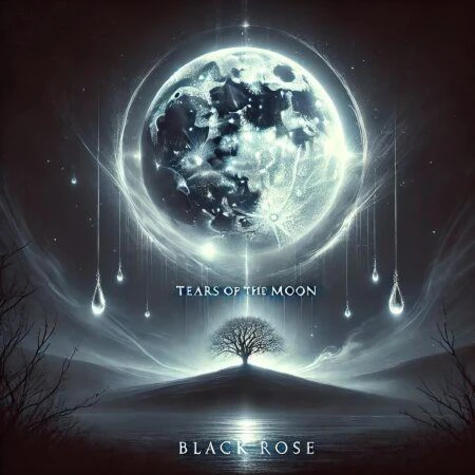



Black Rose is a passionate advocate for religious equality, social harmony, and human dignity. Having witnessed religious discrimination and systemic injustices up close, Black Rose has dedicated their voice to highlighting the struggles faced by marginalized communities and challenging societal norms that perpetuate oppression. With a keen understanding of the delicate intersections between faith, culture, and humanity, their work seeks to bridge divides and foster understanding in a world often fractured by prejudice.
Born into a multicultural environment, Black Rose grew up with an innate appreciation for the diversity of beliefs and traditions. However, this admiration for pluralism was tempered by the harsh realities of religious bigotry and the weaponization of faith for political and personal gain. These experiences shaped their commitment to addressing the inequalities that often arise when power and prejudice collide.
Tears of the Moon is a culmination of Black Rose's deep-seated belief that compassion and justice transcend all boundaries of creed, color, and nationality. Through the lives of Abdul Basit, Meena, and Joseph Massi, Black Rose captures the devastating consequences of intolerance while illuminating the resilience of the human spirit. Their storytelling delves into the complexities of faith-its power to both heal and harm-and urges readers to confront their own biases and assumptions.
An unyielding critic of all forms of bigotry, Black Rose believes in the transformative power of dialogue and empathy. They have spent years engaging with communities across faiths to understand the shared struggles and aspirations that unite humanity. This perspective infuses their writing with a profound sense of hope, even in the face of adversity. When not writing, Black Rose works closely with grassroots organizations dedicated to promoting interfaith dialogue, supporting victims of religious persecution, and advocating for systemic change.
Their work is not just a call for action but a testament to the belief that a more equitable and harmonious world is not only possible but imperative. With Tears of the Moon, Black Rose invites readers to join in this journey toward understanding, challenging entrenched prejudices, and embracing the universal truth that justice and humanity are inseparable.
Born into a multicultural environment, Black Rose grew up with an innate appreciation for the diversity of beliefs and traditions. However, this admiration for pluralism was tempered by the harsh realities of religious bigotry and the weaponization of faith for political and personal gain. These experiences shaped their commitment to addressing the inequalities that often arise when power and prejudice collide.
Tears of the Moon is a culmination of Black Rose's deep-seated belief that compassion and justice transcend all boundaries of creed, color, and nationality. Through the lives of Abdul Basit, Meena, and Joseph Massi, Black Rose captures the devastating consequences of intolerance while illuminating the resilience of the human spirit. Their storytelling delves into the complexities of faith-its power to both heal and harm-and urges readers to confront their own biases and assumptions.
An unyielding critic of all forms of bigotry, Black Rose believes in the transformative power of dialogue and empathy. They have spent years engaging with communities across faiths to understand the shared struggles and aspirations that unite humanity. This perspective infuses their writing with a profound sense of hope, even in the face of adversity. When not writing, Black Rose works closely with grassroots organizations dedicated to promoting interfaith dialogue, supporting victims of religious persecution, and advocating for systemic change.
Their work is not just a call for action but a testament to the belief that a more equitable and harmonious world is not only possible but imperative. With Tears of the Moon, Black Rose invites readers to join in this journey toward understanding, challenging entrenched prejudices, and embracing the universal truth that justice and humanity are inseparable.