
Elizabeth Stokoe is Professor of Social Interaction in the Department of Social Sciences at Loughborough University, using conversation analysis to understand how talk works. Outside the University, she runs workshops with professionals using her research-based communication training method called the "Conversation Analytic Role-play Method". She is one of thirteen WIRED 2015 Innovation Fellows; has given TEDx, New Scientist, SciFoo/Google, Cheltenham Science Festival and Royal Institution lectures, and her research and biography were featured on the BBC Radio 4's The Life Scientific.
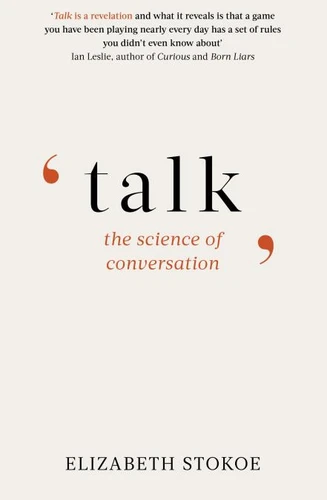
Talk. The Science of Conversation
Par :Formats :
Disponible dans votre compte client Decitre ou Furet du Nord dès validation de votre commande. Le format ePub protégé est :
- Compatible avec une lecture sur My Vivlio (smartphone, tablette, ordinateur)
- Compatible avec une lecture sur liseuses Vivlio
- Pour les liseuses autres que Vivlio, vous devez utiliser le logiciel Adobe Digital Edition. Non compatible avec la lecture sur les liseuses Kindle, Remarkable et Sony
- Non compatible avec un achat hors France métropolitaine
 , qui est-ce ?
Notre partenaire de plateforme de lecture numérique où vous retrouverez l'ensemble de vos ebooks gratuitement
Pour en savoir plus sur nos ebooks, consultez notre aide en ligne ici
C'est si simple ! Lisez votre ebook avec l'app Vivlio sur votre tablette, mobile ou ordinateur :

- Nombre de pages288
- FormatePub
- ISBN978-1-4721-4082-1
- EAN9781472140821
- Date de parution28/11/2018
- Protection num.Adobe DRM
- Infos supplémentairesepub
- ÉditeurRobinson
Résumé
We spend much of our days talking. Yet we know little about the conversational engine that drives our everyday lives. We are pushed and pulled around by language far more than we realize, yet are seduced by stereotypes and myths about communication. This book will change the way you think about talk. It will explain the big pay-offs to understanding conversation scientifically. Elizabeth Stokoe, a social psychologist, has spent over twenty years collecting and analysing real conversations across settings as varied as first dates, crisis negotiation, sales encounters and medical communication.
This book describes some of the findings of her own research, and that of other conversation analysts around the world. Through numerous examples from real interactions between friends, partners, colleagues, police officers, mediators, doctors and many others, you will learn that some of what you think you know about talk is wrong. But you will also uncover fresh insights about how to have better conversations - using the evidence from fifty years of research about the science of talk.
This book describes some of the findings of her own research, and that of other conversation analysts around the world. Through numerous examples from real interactions between friends, partners, colleagues, police officers, mediators, doctors and many others, you will learn that some of what you think you know about talk is wrong. But you will also uncover fresh insights about how to have better conversations - using the evidence from fifty years of research about the science of talk.