SOLDES
Jusqu'à -70% sur une sélection d'articles*
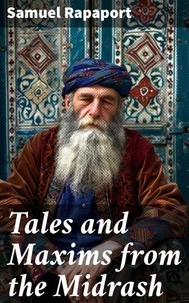
Tales and Maxims from the Midrash (Commentaries on the Written & Oral Torah)
Par :Formats :
Disponible dans votre compte client Decitre ou Furet du Nord dès validation de votre commande. Le format ePub est :
- Compatible avec une lecture sur My Vivlio (smartphone, tablette, ordinateur)
- Compatible avec une lecture sur liseuses Vivlio
- Pour les liseuses autres que Vivlio, vous devez utiliser le logiciel Adobe Digital Edition. Non compatible avec la lecture sur les liseuses Kindle, Remarkable et Sony
 , qui est-ce ?
Notre partenaire de plateforme de lecture numérique où vous retrouverez l'ensemble de vos ebooks gratuitement
Pour en savoir plus sur nos ebooks, consultez notre aide en ligne ici
C'est si simple ! Lisez votre ebook avec l'app Vivlio sur votre tablette, mobile ou ordinateur :

- Nombre de pages203
- FormatePub
- ISBN859-65--4772994-5
- EAN8596547729945
- Date de parution22/11/2023
- Protection num.Digital Watermarking
- Taille549 Ko
- Infos supplémentairesepub
- ÉditeurDIGICAT
Résumé
In "Tales and Maxims from the Midrash, " Samuel Rapaport explores the rich tapestry of Jewish thought by delving into the interpretive traditions of the Midrash, the body of rabbinic literature that seeks to explain and expand upon the Hebrew Scriptures. Utilizing a blend of narrative and didactic prose, Rapaport articulates the underlying moral and ethical dimensions of these ancient texts, illuminating their timeless relevance.
The book serves not only as a commentary on the Written and Oral Torah but also as a lens through which readers can engage with the spiritual and philosophical inquiries that have shaped Jewish identity throughout the ages. Samuel Rapaport, deeply rooted in his Jewish heritage, draws upon a vast reservoir of scholarship and personal insight in his writing. His background, enriched by a lifetime of study in theology and philosophy, informs his approach to the Midrash, allowing him to connect its principles to contemporary issues.
Rapaport's passion for fostering understanding and dialogue around Jewish texts shines through, making his work a significant contribution to both academic and spiritual discussions. This volume is highly recommended for scholars, students, and anyone seeking deeper insights into Jewish thought and spirituality. Rapaport's accessible yet profound interpretation of the Midrash not only educates but also invites readers to reflect on their own beliefs and practices, making it an essential addition to any library of religious literature.
The book serves not only as a commentary on the Written and Oral Torah but also as a lens through which readers can engage with the spiritual and philosophical inquiries that have shaped Jewish identity throughout the ages. Samuel Rapaport, deeply rooted in his Jewish heritage, draws upon a vast reservoir of scholarship and personal insight in his writing. His background, enriched by a lifetime of study in theology and philosophy, informs his approach to the Midrash, allowing him to connect its principles to contemporary issues.
Rapaport's passion for fostering understanding and dialogue around Jewish texts shines through, making his work a significant contribution to both academic and spiritual discussions. This volume is highly recommended for scholars, students, and anyone seeking deeper insights into Jewish thought and spirituality. Rapaport's accessible yet profound interpretation of the Midrash not only educates but also invites readers to reflect on their own beliefs and practices, making it an essential addition to any library of religious literature.