
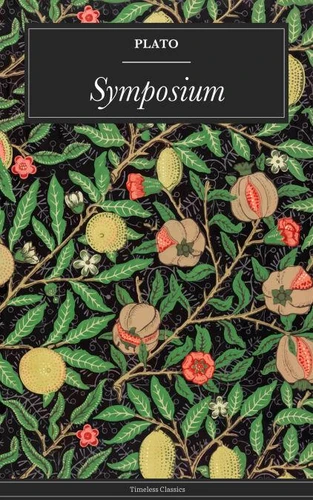
Symposium
Par :Formats :
Disponible dans votre compte client Decitre ou Furet du Nord dès validation de votre commande. Le format ePub est :
- Compatible avec une lecture sur My Vivlio (smartphone, tablette, ordinateur)
- Compatible avec une lecture sur liseuses Vivlio
- Pour les liseuses autres que Vivlio, vous devez utiliser le logiciel Adobe Digital Edition. Non compatible avec la lecture sur les liseuses Kindle, Remarkable et Sony
 , qui est-ce ?
Notre partenaire de plateforme de lecture numérique où vous retrouverez l'ensemble de vos ebooks gratuitement
Pour en savoir plus sur nos ebooks, consultez notre aide en ligne ici
C'est si simple ! Lisez votre ebook avec l'app Vivlio sur votre tablette, mobile ou ordinateur :

- FormatePub
- ISBN978-2-49677-115-2
- EAN9782496771152
- Date de parution01/01/2026
- Protection num.pas de protection
- Infos supplémentairesepub
- ÉditeurTimeless Classics
Résumé
Discover the Philosophical Pursuit of Love in Plato's "Symposium""Symposium" by Plato is a profound exploration of love, beauty, and the nature of desire, set against the backdrop of ancient Athens. This philosophical dialogue, believed to have been written around 428 BCE, captures a series of speeches delivered at a banquet, each offering unique perspectives on Eros-the Greek god of love. Through these varied voices, Plato examines the different dimensions of love, from physical attraction to the pursuit of divine beauty, ultimately guiding readers toward a deeper understanding of the soul's longing for truth and goodness.
The dialogue delves into themes of human aspiration, the nature of beauty, and the path to spiritual enlightenment, making it a timeless work that continues to influence philosophical thought and literature. Its rich narrative combines wit, wisdom, and poetic elegance, inviting readers to reflect on the profound role love plays in human life and the pursuit of knowledge. Plato, the author of "Symposium, " was a towering figure in Western philosophy, born around 428 BCE in Athens.
A student of Socrates and teacher of Aristotle, Plato founded the Academy, one of the earliest institutions of higher learning in the Western world. His writings encompass a wide range of philosophical topics, including ethics, politics, metaphysics, and epistemology. Known for his dialogues, Plato's work often features Socratic questioning, aiming to uncover fundamental truths about human existence.
His influence extends beyond philosophy into the realms of science, politics, and literature, shaping Western intellectual tradition for centuries. "Symposium" exemplifies his mastery in blending philosophical inquiry with literary artistry, making it a cornerstone of classical philosophy and a must-read for anyone interested in the nature of love and the pursuit of wisdom.
The dialogue delves into themes of human aspiration, the nature of beauty, and the path to spiritual enlightenment, making it a timeless work that continues to influence philosophical thought and literature. Its rich narrative combines wit, wisdom, and poetic elegance, inviting readers to reflect on the profound role love plays in human life and the pursuit of knowledge. Plato, the author of "Symposium, " was a towering figure in Western philosophy, born around 428 BCE in Athens.
A student of Socrates and teacher of Aristotle, Plato founded the Academy, one of the earliest institutions of higher learning in the Western world. His writings encompass a wide range of philosophical topics, including ethics, politics, metaphysics, and epistemology. Known for his dialogues, Plato's work often features Socratic questioning, aiming to uncover fundamental truths about human existence.
His influence extends beyond philosophy into the realms of science, politics, and literature, shaping Western intellectual tradition for centuries. "Symposium" exemplifies his mastery in blending philosophical inquiry with literary artistry, making it a cornerstone of classical philosophy and a must-read for anyone interested in the nature of love and the pursuit of wisdom.
A propos de Plato
0,99 €

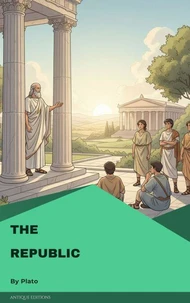
The Republic
E-book
0,99 €

0,99 €
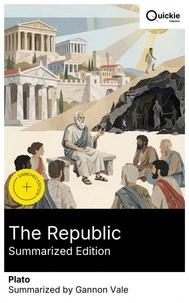
The Replublic
E-book
0,99 €
Phaedrus
E-book
9,99 €
Phaedo
E-book
9,99 €
Gorgias
E-book
9,99 €