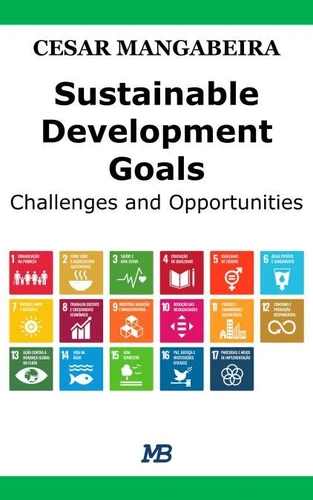
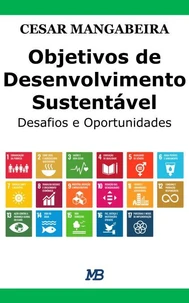
The world's greatest challenges are creating some of the greatest economic opportunities of the coming decades. As governments, businesses, and investors direct trillions of dollars toward initiatives related to sustainability, innovation, clean energy, infrastructure, education, healthcare, and social transformation, one question emerges: who will be prepared to seize these opportunities?This book was written to help you see what many people have not yet recognized.
Behind the Sustainable Development Goals lie powerful economic trends, expanding markets, new business models, investment opportunities, emerging professional demands, and sectors that will continue to attract growing attention from companies, governments, and institutions around the world. Throughout this work, you will gain a practical, strategic, and market-oriented understanding of all 17 Sustainable Development Goals.
More than simply learning concepts, you will discover how to interpret the forces reshaping entire industries and creating new opportunities for professionals, entrepreneurs, consultants, executives, and organizations. One of the book's greatest strengths is its dedicated analysis of challenges and opportunities within every SDG. This approach helps readers identify unmet needs, high-growth sectors, innovation possibilities, emerging societal demands, and trends capable of generating economic value and competitive advantage.
Many of the ideas that will drive future businesses, projects, careers, and investments will emerge from the search for solutions to the challenges addressed by the SDGs. You will discover how areas such as clean energy, the circular economy, sustainable agriculture, social inclusion, technology, education, healthcare, smart cities, governance, and environmental conservation are evolving from social concerns into powerful engines of economic growth and wealth creation on a global scale.
For businesses, this book provides strategic insights into trends that can open new markets, strengthen competitive positioning, and inspire products, services, and initiatives aligned with future demands. For professionals, it offers knowledge that can broaden market perspective, reveal career opportunities, and highlight increasingly valuable skills. For entrepreneurs, it serves as a continuous source of ideas connected to real-world problems waiting for innovative solutions.
If you want to understand where the world is heading and identify where the next opportunities for growth, innovation, and value creation may emerge, this book offers far more than an introduction to sustainability. It presents a new way of viewing global challenges as concrete opportunities to create impact, develop projects, and achieve meaningful results in a rapidly changing world.
The world's greatest challenges are creating some of the greatest economic opportunities of the coming decades. As governments, businesses, and investors direct trillions of dollars toward initiatives related to sustainability, innovation, clean energy, infrastructure, education, healthcare, and social transformation, one question emerges: who will be prepared to seize these opportunities?This book was written to help you see what many people have not yet recognized.
Behind the Sustainable Development Goals lie powerful economic trends, expanding markets, new business models, investment opportunities, emerging professional demands, and sectors that will continue to attract growing attention from companies, governments, and institutions around the world. Throughout this work, you will gain a practical, strategic, and market-oriented understanding of all 17 Sustainable Development Goals.
More than simply learning concepts, you will discover how to interpret the forces reshaping entire industries and creating new opportunities for professionals, entrepreneurs, consultants, executives, and organizations. One of the book's greatest strengths is its dedicated analysis of challenges and opportunities within every SDG. This approach helps readers identify unmet needs, high-growth sectors, innovation possibilities, emerging societal demands, and trends capable of generating economic value and competitive advantage.
Many of the ideas that will drive future businesses, projects, careers, and investments will emerge from the search for solutions to the challenges addressed by the SDGs. You will discover how areas such as clean energy, the circular economy, sustainable agriculture, social inclusion, technology, education, healthcare, smart cities, governance, and environmental conservation are evolving from social concerns into powerful engines of economic growth and wealth creation on a global scale.
For businesses, this book provides strategic insights into trends that can open new markets, strengthen competitive positioning, and inspire products, services, and initiatives aligned with future demands. For professionals, it offers knowledge that can broaden market perspective, reveal career opportunities, and highlight increasingly valuable skills. For entrepreneurs, it serves as a continuous source of ideas connected to real-world problems waiting for innovative solutions.
If you want to understand where the world is heading and identify where the next opportunities for growth, innovation, and value creation may emerge, this book offers far more than an introduction to sustainability. It presents a new way of viewing global challenges as concrete opportunities to create impact, develop projects, and achieve meaningful results in a rapidly changing world.