SOLDES
Jusqu'à -70% sur une sélection d'articles*

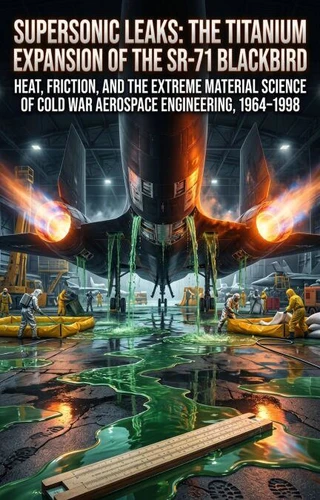
Supersonic Leaks: The Titanium Expansion of the SR-71 Blackbird. Heat, Friction, and the Extreme Material Science of Cold War Aerospace Engineering, 1964–1998
Par :Formats :
Disponible dans votre compte client Decitre ou Furet du Nord dès validation de votre commande. Le format ePub est :
- Compatible avec une lecture sur My Vivlio (smartphone, tablette, ordinateur)
- Compatible avec une lecture sur liseuses Vivlio
- Pour les liseuses autres que Vivlio, vous devez utiliser le logiciel Adobe Digital Edition. Non compatible avec la lecture sur les liseuses Kindle, Remarkable et Sony
 , qui est-ce ?
Notre partenaire de plateforme de lecture numérique où vous retrouverez l'ensemble de vos ebooks gratuitement
Pour en savoir plus sur nos ebooks, consultez notre aide en ligne ici
C'est si simple ! Lisez votre ebook avec l'app Vivlio sur votre tablette, mobile ou ordinateur :

- Nombre de pages152
- FormatePub
- ISBN978-3-565-42141-1
- EAN9783565421411
- Date de parution20/04/2026
- Protection num.pas de protection
- Taille850 Ko
- Infos supplémentairesepub
- ÉditeurEmphaloz Publishing House
Résumé
Imagine engineering the fastest, most advanced aircraft in human history, only to accept that it will uncontrollably leak highly toxic jet fuel onto the runway before every single flight. This was not a design flaw; it was a mandatory structural compromise required to conquer the stratosphere with the SR-71 Blackbird.
Cruising at Mach 3, the sheer friction of the atmosphere heated the aircraft's leading edges to over 600 degrees Fahrenheit.
If the fuselage had been constructed tightly, the extreme thermal expansion of the titanium would have instantly crushed the airframe. To survive, Lockheed engineers built the jet with deliberate, loose gaps in its armor. Only when the plane reached supersonic speeds did the searing heat expand the metal panels, finally sealing the fuel tanks shut. This thrilling aerospace forensic analysis dissects the brutal thermodynamics of high-speed flight.
It explores the sourcing of Soviet titanium through CIA front companies and the incredibly volatile, high-flashpoint fuel engineered specifically for a leaking aircraft. Witness the ultimate triumph of extreme material science. The Blackbird's leaking fuselage remains the greatest testament to the terrifying physical sacrifices demanded by supersonic engineering.
If the fuselage had been constructed tightly, the extreme thermal expansion of the titanium would have instantly crushed the airframe. To survive, Lockheed engineers built the jet with deliberate, loose gaps in its armor. Only when the plane reached supersonic speeds did the searing heat expand the metal panels, finally sealing the fuel tanks shut. This thrilling aerospace forensic analysis dissects the brutal thermodynamics of high-speed flight.
It explores the sourcing of Soviet titanium through CIA front companies and the incredibly volatile, high-flashpoint fuel engineered specifically for a leaking aircraft. Witness the ultimate triumph of extreme material science. The Blackbird's leaking fuselage remains the greatest testament to the terrifying physical sacrifices demanded by supersonic engineering.