Ancient Sumer disappeared into the sands. Then came the adventurers. You might think ancient man was not as curious about people and history before him. That is not true. Kings filled libraries with written histories they collected and they recorded their own for later generations to read. Schools taught from these libraries as early as around 3000 BC in Mesopotamia. Some date the earliest writings to the Uruk Period.
There were schools in Mari, Ebla, Ur, Nippur and Uruk. These were not public schools. They were connected to temples and priests as teachers. In the ancient world, there was no such thing as a separation of government or education and religion. What they believed formed the values of their civilizations. But to have something to write, there had to be men collecting information. One of these men was considered the earliest archaeologist.
His name was Nabonidus, a king of Babylon. While rebuilding a temple in Babylon, he discovered a statue of Sargon the ruler of Akkad. He restored the statue and carefully restored more buildings in the area related to the former empire of Akkad. During the late 1800s, writings on ancient tablets were unearthed and deciphered. Slowly men began to learn that before Babylon, there was Akkad, and before Akkad there was Sumer and the ancient Sumerian history.
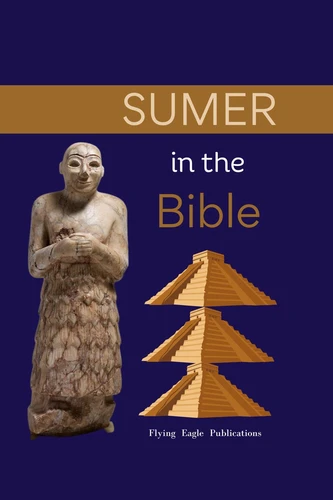
But the Bible told us that all along. The Bible is not a complete history book of every world empire but it contains history, and what it does mention is significant. In Sumer in the Bible, you will learn the solution to the Sumerian Problem, that Eden and Sumer may have had more in common than we first thought, and why the "Land of the Noble Lords" was not so noble.
Ancient Sumer disappeared into the sands. Then came the adventurers. You might think ancient man was not as curious about people and history before him. That is not true. Kings filled libraries with written histories they collected and they recorded their own for later generations to read. Schools taught from these libraries as early as around 3000 BC in Mesopotamia. Some date the earliest writings to the Uruk Period.
There were schools in Mari, Ebla, Ur, Nippur and Uruk. These were not public schools. They were connected to temples and priests as teachers. In the ancient world, there was no such thing as a separation of government or education and religion. What they believed formed the values of their civilizations. But to have something to write, there had to be men collecting information. One of these men was considered the earliest archaeologist.
His name was Nabonidus, a king of Babylon. While rebuilding a temple in Babylon, he discovered a statue of Sargon the ruler of Akkad. He restored the statue and carefully restored more buildings in the area related to the former empire of Akkad. During the late 1800s, writings on ancient tablets were unearthed and deciphered. Slowly men began to learn that before Babylon, there was Akkad, and before Akkad there was Sumer and the ancient Sumerian history.
But the Bible told us that all along. The Bible is not a complete history book of every world empire but it contains history, and what it does mention is significant. In Sumer in the Bible, you will learn the solution to the Sumerian Problem, that Eden and Sumer may have had more in common than we first thought, and why the "Land of the Noble Lords" was not so noble.

 , qui est-ce ?



