
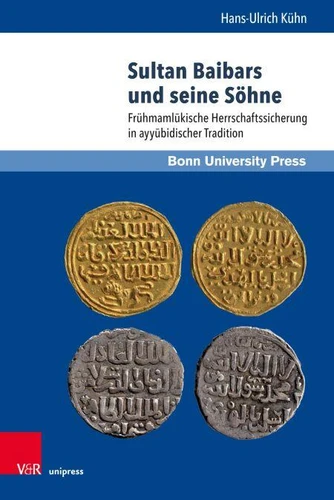
Sultan Baibars und seine Söhne. Frühmamlūkische Herrschaftssicherung in ayyūbidischer Tradition
Par : ,Formats :
Disponible dans votre compte client Decitre ou Furet du Nord dès validation de votre commande. Le format PDF est :
- Compatible avec une lecture sur My Vivlio (smartphone, tablette, ordinateur)
- Compatible avec une lecture sur liseuses Vivlio
- Pour les liseuses autres que Vivlio, vous devez utiliser le logiciel Adobe Digital Edition. Non compatible avec la lecture sur les liseuses Kindle, Remarkable et Sony
 , qui est-ce ?
Notre partenaire de plateforme de lecture numérique où vous retrouverez l'ensemble de vos ebooks gratuitement
Pour en savoir plus sur nos ebooks, consultez notre aide en ligne ici
C'est si simple ! Lisez votre ebook avec l'app Vivlio sur votre tablette, mobile ou ordinateur :

- Nombre de pages663
- FormatPDF
- ISBN978-3-8470-0812-5
- EAN9783847008125
- Date de parution20/05/2019
- Protection num.pas de protection
- Taille12 Mo
- Infos supplémentairespdf
- ÉditeurV&R Unipress
Résumé
Die frühmamlukischen Sultane stellten sich zur Etablierung und Sicherung ihrer Herrschaft bewusst in ayyubidische Traditionen. Im Mittelpunkt der Untersuchung steht Sultan Baibars, der sich nicht nur zur eigenen Herrschaftssicherung ayyubidischer Vorbilder bediente, sondern auch zielstrebig die Etablierung eines dynastischen Prinzips für seine Söhne anstrebte. Seinen ältesten Sohn Baraka Qan baute er umsichtig zum Thronfolger auf und bemühte sich, ihn gleichzeitig durch enge Bindungen mit den führenden Emiren abzusichern.
Erstmals analysiert der Autor das planvoll von Baibars durch Verwandtschafts- und Treuebindungen geknüpfte Netzwerk am mamlukischen Hof und in der Armee, das die Gewähr für die Nachfolge seiner Söhne bieten sollte. Diese scheiterten jedoch an ihrem jugendlichen Ungeschick und Qalawuns Ränken. The early Mamluk sultans purposely followed Ayyubid traditions to establish and protect their rule. This analysis focus on Sultan Baibars.
Not only did he adopt Ayyubid role models, he also was very determined to establish a dynasty for his sons. He carefully raised his oldest son Baraka Qan to become heir to the throne and at the same time tried to protect him through close relationships with the leading emirs. For the first time, the author analyses Baibars' well-planned family and loyalty bonds at the Mamluk sultanate and in the army that should assure the succession of his sons.
However, his sons failed due to their juvenile incapacity and Qalawun's intrigues.
Erstmals analysiert der Autor das planvoll von Baibars durch Verwandtschafts- und Treuebindungen geknüpfte Netzwerk am mamlukischen Hof und in der Armee, das die Gewähr für die Nachfolge seiner Söhne bieten sollte. Diese scheiterten jedoch an ihrem jugendlichen Ungeschick und Qalawuns Ränken. The early Mamluk sultans purposely followed Ayyubid traditions to establish and protect their rule. This analysis focus on Sultan Baibars.
Not only did he adopt Ayyubid role models, he also was very determined to establish a dynasty for his sons. He carefully raised his oldest son Baraka Qan to become heir to the throne and at the same time tried to protect him through close relationships with the leading emirs. For the first time, the author analyses Baibars' well-planned family and loyalty bonds at the Mamluk sultanate and in the army that should assure the succession of his sons.
However, his sons failed due to their juvenile incapacity and Qalawun's intrigues.