SOLDES
Jusqu'à -70% sur une sélection d'articles*

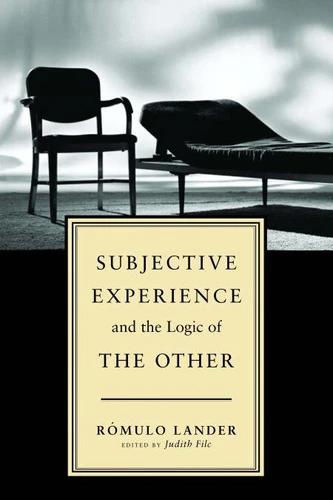
Subjective Experience and the Logic of t
Par :Formats :
Disponible dans votre compte client Decitre ou Furet du Nord dès validation de votre commande. Le format ePub protégé est :
- Compatible avec une lecture sur My Vivlio (smartphone, tablette, ordinateur)
- Compatible avec une lecture sur liseuses Vivlio
- Pour les liseuses autres que Vivlio, vous devez utiliser le logiciel Adobe Digital Edition. Non compatible avec la lecture sur les liseuses Kindle, Remarkable et Sony
- Non compatible avec un achat hors France métropolitaine
 , qui est-ce ?
Notre partenaire de plateforme de lecture numérique où vous retrouverez l'ensemble de vos ebooks gratuitement
Pour en savoir plus sur nos ebooks, consultez notre aide en ligne ici
C'est si simple ! Lisez votre ebook avec l'app Vivlio sur votre tablette, mobile ou ordinateur :

- Nombre de pages304
- FormatePub
- ISBN978-1-63542-149-1
- EAN9781635421491
- Date de parution28/04/2021
- Protection num.Adobe DRM
- Taille2 Mo
- Infos supplémentairesepub
- ÉditeurOther Press
Résumé
The first Lacanian handbook for American psychotherapists. Subjective Experience and the Logic of the Other is the first handbook on Lacanian clinical practice specifically designed for American psychotherapists. Dispensing with jargon and elliptic formulations, Lander accomplishes the tour de force of making Lacan "user friendly."Subjective Experience and the Logic of the Other will appeal to mainstream psychotherapists and psychoanalysts wishing to understand the import of Lacanian theory, but fearful of its legendary difficulty.
Rómulo Lander, who is a member of the International Psychoanalytical Association, an institution traditionally inimical to Lacan's teachings, is exquisitely in tune with their trepidation. He therefore takes his colleagues by the hand and carefully introduces Lacanian concepts within the clinical context that is familiar to them. Lander's didactic approach liberates analysts from the coercion of technique, helping them to link their own subjective experience to their analysands' unconscious desire.
This volume is truly a revolutionary book. After reading Lander's work, therapists will emerge transformed, imbued with a new confidence in their clinical work.
Rómulo Lander, who is a member of the International Psychoanalytical Association, an institution traditionally inimical to Lacan's teachings, is exquisitely in tune with their trepidation. He therefore takes his colleagues by the hand and carefully introduces Lacanian concepts within the clinical context that is familiar to them. Lander's didactic approach liberates analysts from the coercion of technique, helping them to link their own subjective experience to their analysands' unconscious desire.
This volume is truly a revolutionary book. After reading Lander's work, therapists will emerge transformed, imbued with a new confidence in their clinical work.