
Tina is a bilingual writer of unconventional fiction.
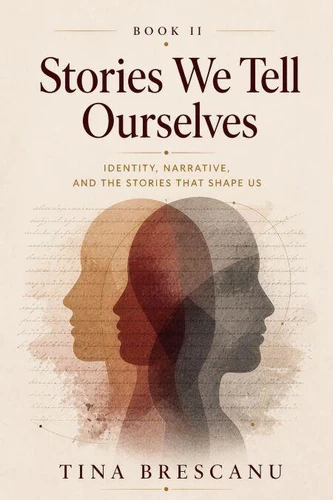
Stories We Tell Ourselves
Par :Formats :
Disponible dans votre compte client Decitre ou Furet du Nord dès validation de votre commande. Le format ePub est :
- Compatible avec une lecture sur My Vivlio (smartphone, tablette, ordinateur)
- Compatible avec une lecture sur liseuses Vivlio
- Pour les liseuses autres que Vivlio, vous devez utiliser le logiciel Adobe Digital Edition. Non compatible avec la lecture sur les liseuses Kindle, Remarkable et Sony
 , qui est-ce ?
Notre partenaire de plateforme de lecture numérique où vous retrouverez l'ensemble de vos ebooks gratuitement
Pour en savoir plus sur nos ebooks, consultez notre aide en ligne ici
C'est si simple ! Lisez votre ebook avec l'app Vivlio sur votre tablette, mobile ou ordinateur :

- FormatePub
- ISBN8235913707
- EAN9798235913707
- Date de parution24/05/2026
- Protection num.pas de protection
- Infos supplémentairesepub
- ÉditeurIoakim Ioakim
Résumé
Stories do more than entertain. They help us make sense of ourselves, other people, and the world around us. Long before we question who we are, stories begin shaping us-through family, culture, history, language, expectations, and memory. Some are passed down. Others are absorbed quietly, repeated so often they begin to feel like truth. We tell stories about where we come from, what matters, who belongs, and what kind of life is worth living.
We tell stories about nations, gender, work, love, success, ageing, and identity. Over time, these stories can become so familiar that we stop noticing them. But stories are not fixed. They shift, evolve, and sometimes unravel. New experiences challenge old assumptions. What once felt certain can become less clear. What seemed true in one context can feel incomplete in another. This book is not an attempt to provide answers or replace one certainty with another.
It is an exploration of the stories we inherit, the stories we repeat, and the stories we choose to question. Some offer belonging. Some create division. Some help us understand ourselves. Others may limit how we see what is possible. Living between countries, cultures, systems, and ways of thinking has made me aware of how differently people experience the world-and how easily we mistake familiarity for truth.
The same story can feel natural in one place and unfamiliar in another. Perhaps understanding ourselves begins not by defending our stories more strongly, but by becoming curious about them. Because the stories we tell about ourselves do not simply describe who we are. They also shape who we become.
We tell stories about nations, gender, work, love, success, ageing, and identity. Over time, these stories can become so familiar that we stop noticing them. But stories are not fixed. They shift, evolve, and sometimes unravel. New experiences challenge old assumptions. What once felt certain can become less clear. What seemed true in one context can feel incomplete in another. This book is not an attempt to provide answers or replace one certainty with another.
It is an exploration of the stories we inherit, the stories we repeat, and the stories we choose to question. Some offer belonging. Some create division. Some help us understand ourselves. Others may limit how we see what is possible. Living between countries, cultures, systems, and ways of thinking has made me aware of how differently people experience the world-and how easily we mistake familiarity for truth.
The same story can feel natural in one place and unfamiliar in another. Perhaps understanding ourselves begins not by defending our stories more strongly, but by becoming curious about them. Because the stories we tell about ourselves do not simply describe who we are. They also shape who we become.
A propos de Tina Brescanu
Life Between Systems
E-book
2,99 €
2,99 €
Master Lionheart
E-book
0,99 €
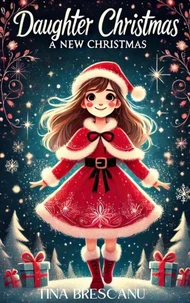
0,99 €
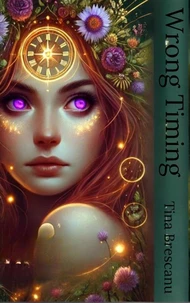
Wrong Timing
E-book
0,99 €
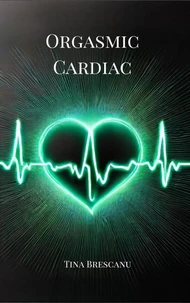
Orgasmic Cardiac
E-book
1,49 €
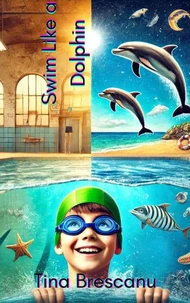
Swim like a Dolphin
E-book
0,99 €
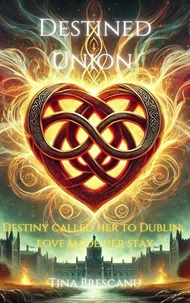
Destined Union
E-book
4,49 €
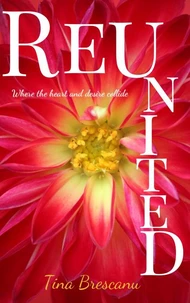
Reunited
E-book
2,99 €
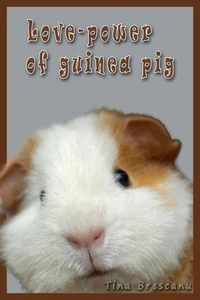
Love-Power of Guinea Pig
E-book
0,99 €
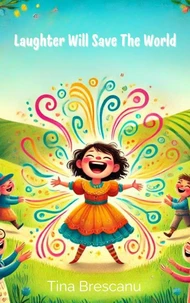
0,99 €