SOLDES
Jusqu'à -70% sur une sélection d'articles*

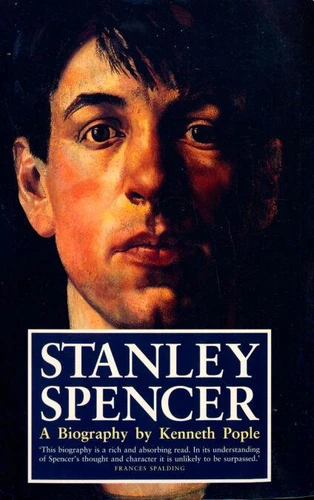
Stanley Spencer (Text Only)
Par :Formats :
Disponible dans votre compte client Decitre ou Furet du Nord dès validation de votre commande. Le format ePub protégé est :
- Compatible avec une lecture sur My Vivlio (smartphone, tablette, ordinateur)
- Compatible avec une lecture sur liseuses Vivlio
- Pour les liseuses autres que Vivlio, vous devez utiliser le logiciel Adobe Digital Edition. Non compatible avec la lecture sur les liseuses Kindle, Remarkable et Sony
- Non compatible avec un achat hors France métropolitaine
 , qui est-ce ?
Notre partenaire de plateforme de lecture numérique où vous retrouverez l'ensemble de vos ebooks gratuitement
Pour en savoir plus sur nos ebooks, consultez notre aide en ligne ici
C'est si simple ! Lisez votre ebook avec l'app Vivlio sur votre tablette, mobile ou ordinateur :

- Nombre de pages608
- FormatePub
- ISBN978-0-00-819328-7
- EAN9780008193287
- Date de parution23/06/2016
- Protection num.Adobe DRM
- Infos supplémentairesepub
- ÉditeurHarperCollins
Résumé
Stanley Spencer (1891 - 1959) has recently been recognised by a wide general public, as well as by art historians, as probably the greatest English painter of the twentieth century.
His strange and thrilling settings of biblical and semi-biblical scenes, his grippingly realist portraits, his intense English landscapes, hang in pride of place in our national collections and fetch ever-escalating prices at auction.
Although there have been many books about Spencer, Pople's biography is the first to give a thoroughly convincing and coherent account of the life and psyche of the man who produced these extraordinary pictures. Pople has not only had the co-operation of Spencer's daughters and remaining friends' he has had unrestricted access to the artist's letters, diaries and other writings, and has spent ten years unravelling the familiar but so often impenetrable mysteries we see on the canvas.
His analysis demonstrates that there never was as artist for whom life and art were so much of a piece, and that without understanding Spencer's doings and circumstances, we have no hope of understanding his paintings.
Although there have been many books about Spencer, Pople's biography is the first to give a thoroughly convincing and coherent account of the life and psyche of the man who produced these extraordinary pictures. Pople has not only had the co-operation of Spencer's daughters and remaining friends' he has had unrestricted access to the artist's letters, diaries and other writings, and has spent ten years unravelling the familiar but so often impenetrable mysteries we see on the canvas.
His analysis demonstrates that there never was as artist for whom life and art were so much of a piece, and that without understanding Spencer's doings and circumstances, we have no hope of understanding his paintings.